Hip Fracture Recovery in the Elderly: Complete Rehabilitation Guide
Published
Local Physiotherapist - Lizzie Thornton, Staffordshire Moorlands & Cheshire East
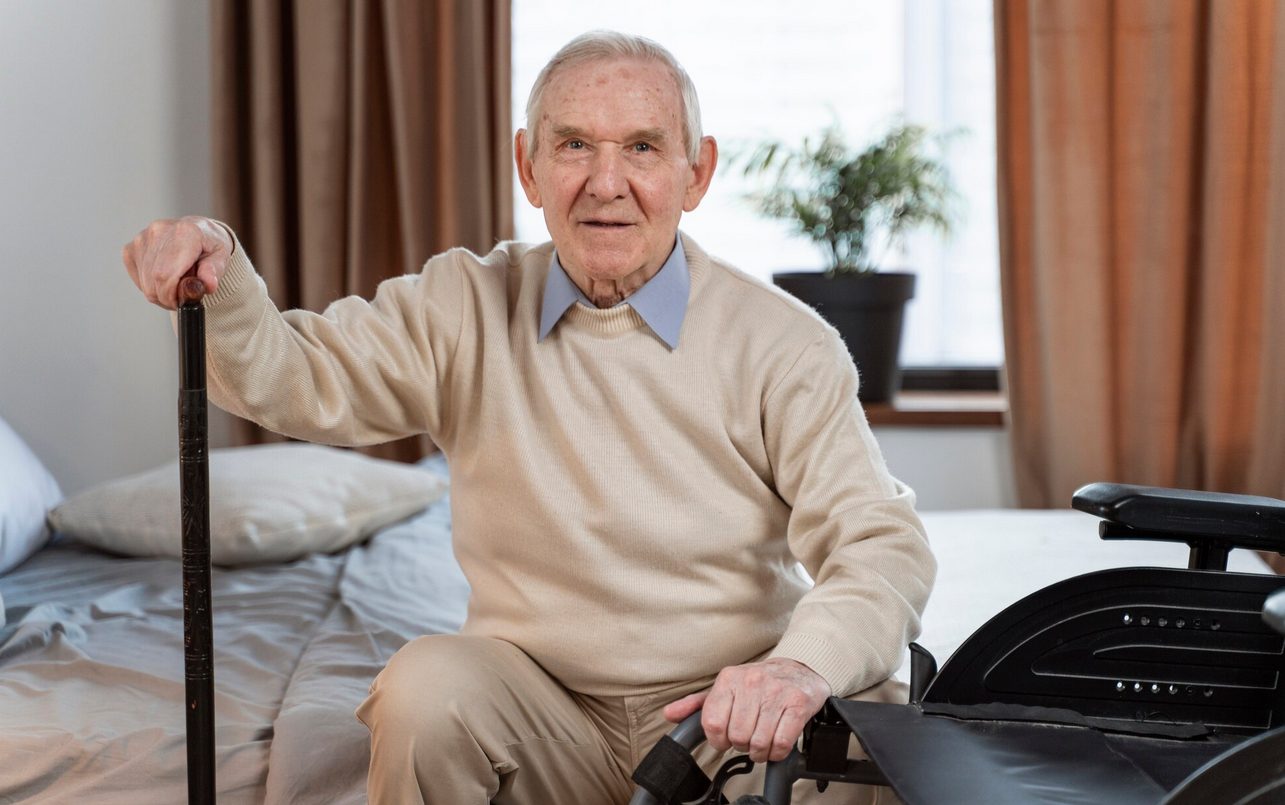
Hip fractures in older adults are serious injuries requiring comprehensive rehabilitation. With the right approach, most people can regain mobility and independence. This guide covers everything you need to know about hip fracture recovery.
Understanding hip fractures in the elderly
Common types
- Intracapsular: Inside hip joint capsule
- Extracapsular: Outside joint capsule
- Femoral neck: Most common in elderly
Treatment options
- Hip pinning: Screws to hold fracture
- Partial hip replacement: Replace femoral head
- Total hip replacement: Replace entire joint
Hospital phase
First 24-48 hours
- Surgery usually within 24-48 hours
- Pain management
- Early mobilization crucial
- Sit out of bed day 1 post-op
- Standing with physiotherapist
Hospital stay (3-7 days typically)
- Daily physiotherapy
- Walking practice with frame
- Stair practice if needed
- Transfer training
- Discharge planning
Weight bearing status
Full weight bearing
Most common after surgery:
- Can put full weight through leg
- As much as comfortable
- Use walking aid for balance
- Progress as able
Partial weight bearing
Less common, if specified:
- Limited weight (e.g. 50%)
- Use crutches or frame
- Follow surgeon's instructions
- Usually 6 weeks
Recovery timeline
Weeks 1-2: Early recovery
- Home from hospital
- Walking with frame indoors
- Basic self-care with help
- Pain and fatigue significant
- Daily exercises essential
Weeks 3-6: Building strength
- Increased independence
- Progress to rollator or stick
- More self-care tasks
- Increased exercise intensity
- Short walks outside
Weeks 6-12: Continued improvement
- Walking with stick or unaided
- Most daily activities
- Stairs more confident
- Return to light activities
Months 3-12: Long-term recovery
- Continued strengthening
- Improved endurance
- Return to previous activities
- Some limitations may persist
Essential exercises
Bed exercises (start day 1 post-op)
Ankle pumps
- Point toes down, pull up
- 20 reps every hour
- Prevents blood clots
Knee bends
- Slide heel towards buttock
- 10 reps, 3 times daily
- Maintains knee movement
Static quads
- Tighten thigh muscle
- Hold 5 seconds
- 10 reps, 3 times daily
Straight leg raises
- Tighten thigh, lift leg
- Keep knee straight
- 10 reps, 3 times daily
Sitting exercises
Knee extensions
- Straighten knee fully
- Hold 5 seconds
- 10 reps each leg, 3 times daily
Hip marching
- Lift knee towards chest
- 10 reps each leg, 3 times daily
Standing exercises
Hip abduction
- Lift leg out to side
- Keep body upright
- 10 reps, twice daily
Hip extension
- Leg straight back behind
- Do not lean forward
- 10 reps, twice daily
Mini squats
- Small knee bends
- Hold support
- 10 reps, twice daily
Walking practice
Using a walking frame
- Stand upright inside frame
- Move frame forward
- Step with operated leg
- Bring other leg to meet it
- Equal weight through both legs
Progressing to a stick
- When confident with frame
- Usually 2-6 weeks
- Stick in opposite hand
- Move stick with operated leg
Walking without aids
- When balance and strength adequate
- Usually 6-12 weeks
- May keep stick for outdoors
- Work on normal gait pattern
Managing stairs
Going up stairs
- Good leg up first
- Operated leg follows
- Walking aid last
- Use handrail
Going down stairs
- Walking aid down first
- Operated leg down
- Good leg follows
- Use handrail
Remember: "Up with the good, down with the bad"
Hip precautions
If you have a hip replacement
Follow these for 6-12 weeks:
- Do not bend hip past 90 degrees
- Do not cross legs
- Do not twist at hip
- Do not pivot on operated leg
- Keep knees apart
Safe positions
- Sit on high chairs
- Use raised toilet seat
- Sleep on back or unoperated side
- Pillow between knees
Preventing complications
Blood clots
- Take blood thinners as prescribed
- Do ankle pumps regularly
- Stay mobile
- Wear compression stockings
- Report calf pain or swelling
Chest infections
- Deep breathing exercises
- Sit upright regularly
- Stay mobile
- Report breathlessness
Deconditioning
- Get up and dressed daily
- Do exercises consistently
- Gradually increase activity
- Avoid prolonged bed rest
Nutrition for healing
Protein
- Essential for healing
- Include at every meal
- Meat, fish, eggs, dairy, beans
- Protein shakes if appetite poor
Calcium and vitamin D
- Important for bone health
- Dairy products
- Fortified foods
- Vitamin D supplement
Adequate calories
- Healing requires energy
- Do not diet during recovery
- Eat regular meals
- Nutritious snacks
Overcoming challenges
Pain management
- Take pain relief regularly
- Before exercises and activities
- Ice for swelling
- Pain should gradually improve
Fatigue
- Very common after hip fracture
- Rest between activities
- Gradually build stamina
- Improves over weeks
Fear and anxiety
- Normal after fracture
- Build confidence gradually
- Celebrate small wins
- Seek support if needed
The role of home physiotherapy
Fracture / Broken Bones Rehabilitation (18+) provides:
- Personalized exercise programme
- Progression guidance
- Walking and mobility practice
- Falls prevention strategies
- Support and motivation
- Liaison with hospital team
Preventing future fractures
Bone health
- Bone density scan
- Osteoporosis treatment if needed
- Calcium and vitamin D
- Weight-bearing exercise
Falls prevention
- Balance exercises
- Strength training
- Home safety review
- Appropriate footwear
- Vision and medication review
Realistic expectations
What to expect
- Most people regain independence
- May not return to exact previous level
- Walking aid may be needed long-term
- Some activities may be limited
- Quality of life can still be good
Factors affecting recovery
- Age and pre-fracture mobility
- Other health conditions
- Type of surgery
- Commitment to rehabilitation
- Support available
The bottom line
Successful hip fracture recovery requires:
- Early mobilization
- Daily exercises consistently
- Gradual increase in activity
- Good nutrition
- Pain management
- Falls prevention strategies
- Professional rehabilitation support
- Patience and persistence
Hip fractures are serious but most older adults can regain significant function with proper rehabilitation. The key is starting early, staying consistent with exercises, and having the right support at home.
Need hip fracture rehabilitation support?
Our Fracture / Broken Bones Rehabilitation (18+) service provides expert physiotherapy at home for hip fracture recovery. We help you regain mobility, strength, and independence with personalized care and support.
Get in touch Learn about Fracture / Broken Bones Rehabilitation (18+)

About Lizzie Thornton
Lizzie Thornton is a specialist community physiotherapist with over 15 years of experience in hip fracture rehabilitation. She is HCPC registered and a member of the Chartered Society of Physiotherapy. Lizzie provides home physiotherapy visits across Staffordshire Moorlands and Cheshire East, helping older adults recover from hip fractures and regain independence.