Heart Attack Recovery: Cardiac Rehabilitation and Exercises
Published
Local Physiotherapist - Lizzie Thornton, Staffordshire Moorlands & Cheshire East
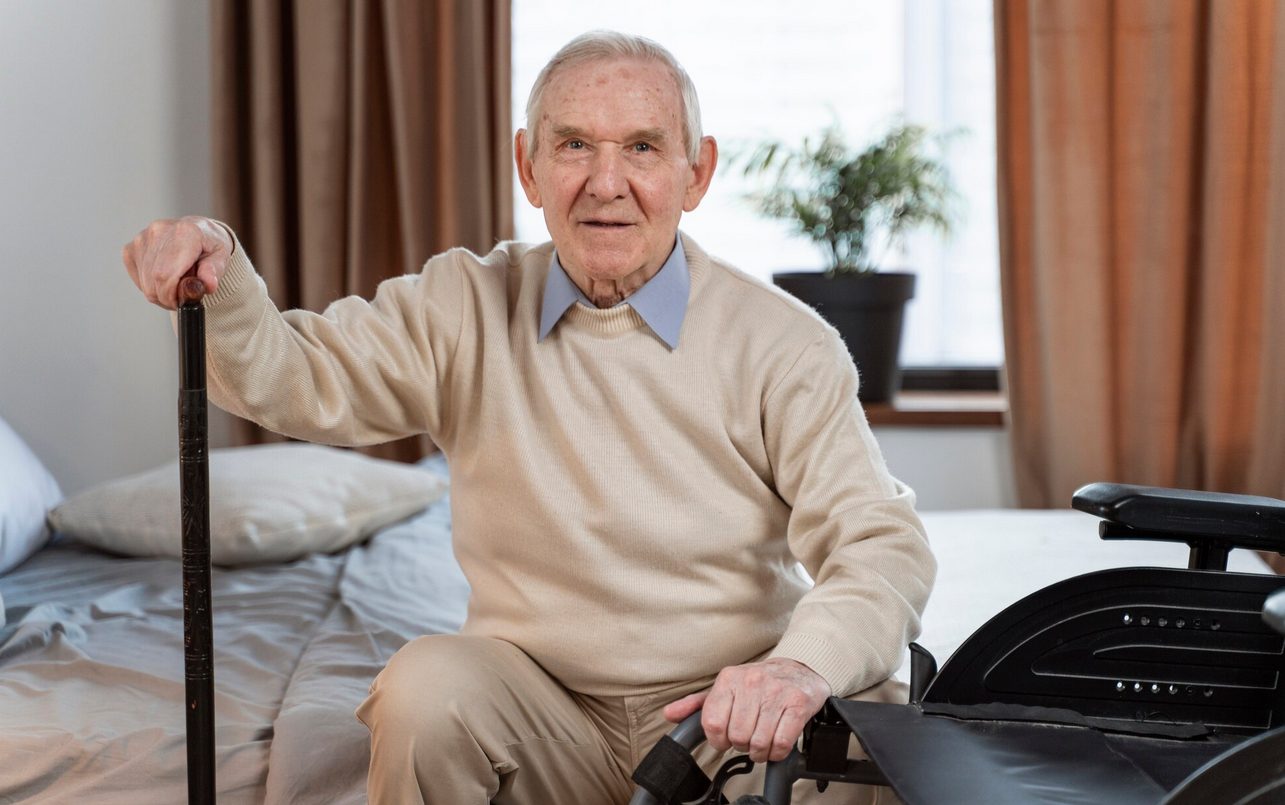
Recovering from a heart attack can feel overwhelming, but cardiac rehabilitation and appropriate exercise are crucial for recovery and preventing future events. This comprehensive guide covers safe exercise progression and strategies for successful recovery.
Understanding heart attack recovery
What happens after a heart attack
- Heart muscle damage needs time to heal
- Usually takes 6-8 weeks
- Scar tissue forms
- Heart function may be affected
- Risk of another event if not managed
Recovery timeline
- Week 1-2: Hospital and initial recovery
- Week 2-6: Gradual increase in activity
- Week 6-12: Cardiac rehabilitation programme
- Beyond 12 weeks: Long-term lifestyle changes
Cardiac rehabilitation
What is cardiac rehab?
- Supervised exercise programme
- Education about heart health
- Risk factor management
- Psychological support
- Reduces risk of future events by 25%
- Improves quality of life
Phases of cardiac rehab
- Phase 1: In hospital
- Phase 2: Early recovery at home
- Phase 3: Supervised outpatient programme
- Phase 4: Long-term maintenance
Safe exercise after heart attack
Benefits of exercise
- Strengthens heart
- Improves fitness
- Reduces risk factors
- Lowers blood pressure
- Improves cholesterol
- Aids weight management
- Reduces anxiety and depression
When to start exercising
- Light activity from day 1 post-procedure
- Gradual progression over weeks
- Follow medical team guidance
- Start cardiac rehab when offered
- Always get clearance first
Exercise progression
Week 1-2: Very light activity
- Short walks around house
- 5-10 minutes, several times daily
- Gentle arm and leg movements
- Sitting activities
- No lifting over 2-3kg
Week 2-4: Light activity
- Walks 10-15 minutes, twice daily
- Flat surfaces only
- Light household tasks
- Gentle stretching
- No heavy lifting
Week 4-6: Moderate activity
- Walks 15-20 minutes, once or twice daily
- Can include gentle slopes
- Light strengthening exercises
- Most daily activities
- Still avoid heavy exertion
Week 6-12: Progressive activity
- Cardiac rehab programme
- Supervised exercise sessions
- Gradual increase in intensity
- Return to most activities
- Build up gradually
Safe exercise guidelines
How hard to exercise
- Use "talk test" - should be able to talk
- Moderate intensity - slightly breathless
- Not exhausted
- Rate of Perceived Exertion: 11-13 out of 20
- Never push through chest pain
Warm up and cool down
- Always warm up 5-10 minutes
- Start slowly, gradually increase
- Cool down 5-10 minutes
- Gradual decrease in intensity
- Never stop suddenly
Warning signs to stop
Stop exercising immediately if:
- Chest pain or discomfort
- Unusual breathlessness
- Dizziness or lightheadedness
- Irregular heartbeat
- Nausea
- Excessive fatigue
- Pain in jaw, neck, or arm
Types of exercise
Aerobic exercise
Most important for heart health:
- Walking (best to start)
- Cycling (stationary bike)
- Swimming (after 6 weeks)
- Dancing
- Aim for 30 minutes, 5 days weekly
Strengthening exercises
Start after 6 weeks:
- Light weights or resistance bands
- Body weight exercises
- 2-3 times weekly
- Avoid heavy weights
- Never hold breath
Flexibility exercises
- Gentle stretching
- Can start early
- Hold stretches 20-30 seconds
- Daily
- Helps with relaxation
Lifestyle modifications
Smoking cessation
- Most important change
- Reduces risk by 50%
- Seek support to quit
- Use NHS stop smoking services
- Never too late to quit
Healthy diet
- Mediterranean-style diet
- Plenty of fruits and vegetables
- Whole grains
- Oily fish twice weekly
- Limit saturated fat
- Reduce salt
- Moderate alcohol
Weight management
- Achieve healthy weight
- Reduces heart strain
- Improves other risk factors
- Combine diet and exercise
- Gradual weight loss
Stress management
- Stress affects heart health
- Relaxation techniques
- Mindfulness or meditation
- Adequate sleep
- Social support
- Seek help if needed
Medication compliance
Common medications
- Aspirin or antiplatelet drugs
- Statins
- Beta-blockers
- ACE inhibitors
- Others as prescribed
Importance of taking medications
- Reduces risk of another event
- Take exactly as prescribed
- Do not stop without medical advice
- Report side effects
- Lifelong commitment usually
Returning to activities
Driving
- Usually 1 week after uncomplicated heart attack
- 4 weeks if complications
- Check with doctor
- Inform DVLA and insurance
Work
- Desk work: 2-4 weeks
- Physical work: 6-12 weeks
- Depends on job demands
- Phased return helpful
- Discuss with doctor
Sexual activity
- Usually safe after 2-4 weeks
- Similar exertion to climbing 2 flights of stairs
- If can manage stairs, usually safe
- Discuss concerns with doctor
Flying
- Usually 2 weeks after uncomplicated event
- Longer if complications
- Check with doctor
- Inform airline
- Travel insurance essential
Psychological recovery
Common feelings
- Anxiety about another event
- Depression
- Anger or frustration
- Fear of activity
- Loss of confidence
Coping strategies
- Talk about feelings
- Join cardiac support group
- Stay connected socially
- Focus on what you can do
- Celebrate progress
- Seek professional help if needed
The role of physiotherapy
Post-Illness Recovery & Reconditioning provides:
- Supervised exercise progression
- Personalized rehabilitation programme
- Monitoring during exercise
- Education about safe activity
- Support and motivation
- Liaison with cardiac team
Preventing future events
Key strategies
- Take medications as prescribed
- Regular exercise
- Healthy diet
- Stop smoking
- Manage stress
- Control blood pressure
- Manage diabetes if present
- Regular medical follow-up
The bottom line
Successful heart attack recovery requires:
- Gradual return to activity
- Cardiac rehabilitation programme
- Regular exercise long-term
- Lifestyle modifications
- Medication compliance
- Risk factor management
- Psychological support
- Medical follow-up
Most people recover well from a heart attack and go on to live full, active lives. The key is making necessary lifestyle changes and staying committed to your rehabilitation programme.
Need cardiac rehabilitation support?
Our Post-Illness Recovery & Reconditioning service provides expert physiotherapy for cardiac rehabilitation. We help you exercise safely, build confidence, and make the lifestyle changes needed for long-term heart health.
Get in touch Learn about Post-Illness Recovery & Reconditioning

About Lizzie Thornton
Lizzie Thornton is a specialist community physiotherapist with over 15 years of experience in cardiac rehabilitation and post-illness recovery. She is HCPC registered and a member of the Chartered Society of Physiotherapy. Lizzie provides home physiotherapy visits across Staffordshire Moorlands and Cheshire East.