Functional Fitness Exercises for Daily Living: Seniors Guide
Published
Local Physiotherapist - Lizzie Thornton, Staffordshire Moorlands & Cheshire East
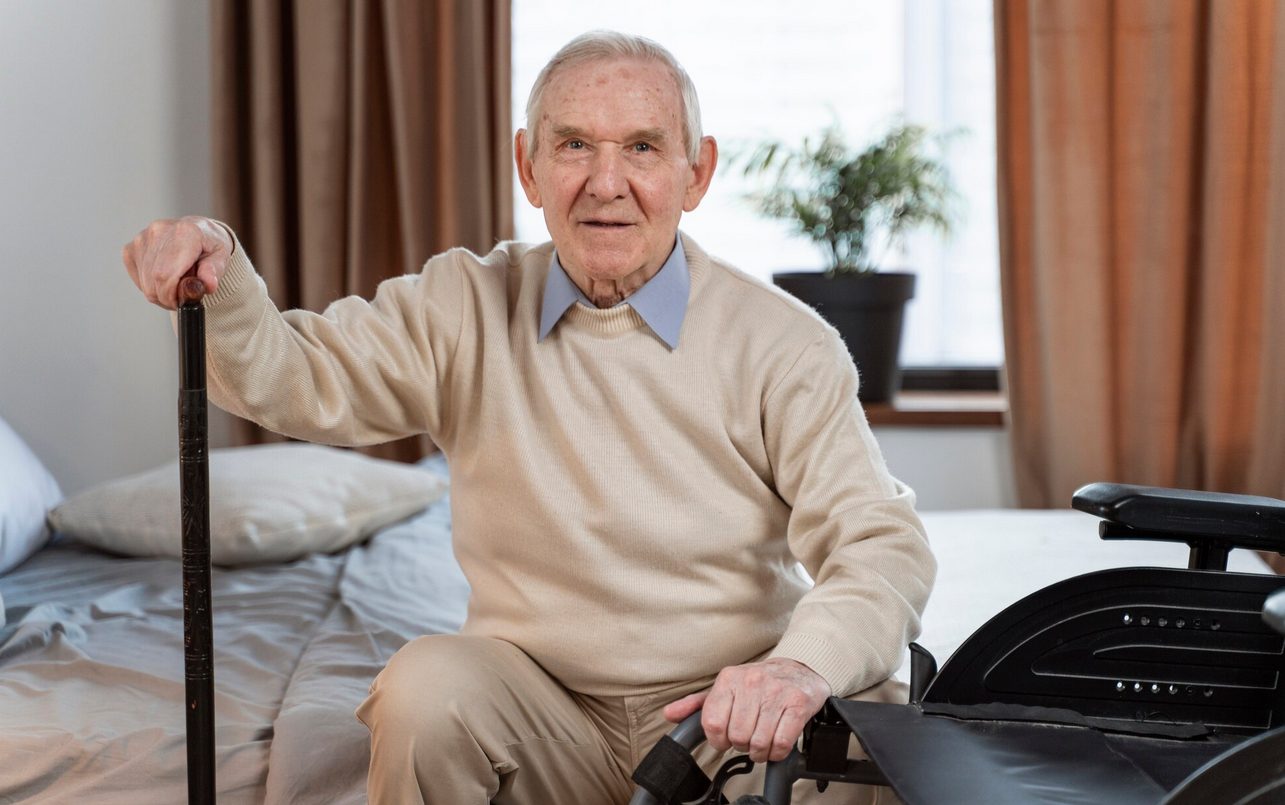
Functional fitness focuses on exercises that directly improve your ability to perform daily activities. This approach to exercise helps older adults maintain independence, reduce fall risk, and continue doing the things they love.
What is functional fitness?
Definition
- Exercises that mimic daily activities
- Trains movements, not just muscles
- Improves real-world function
- Practical and purposeful
- Directly applicable to daily life
Why it matters for seniors
- Maintains independence
- Makes daily tasks easier
- Reduces injury risk
- Improves confidence
- Better quality of life
- Prevents disability
- Keeps you active longer
Key functional movements
The essential seven
- Squatting (sitting and standing)
- Bending (picking things up)
- Pushing (opening doors)
- Pulling (closing doors)
- Rotating (reaching behind)
- Walking (mobility)
- Balancing (preventing falls)
Exercises for daily activities
Getting up from chair
Sit-to-stand
- Sit forward in chair
- Feet hip-width apart
- Lean forward slightly
- Push through heels to stand
- Lower slowly back down
- 10 reps, 2-3 sets
Daily benefit: Easier to get up from chairs, toilet, bed
Progression
- Use lower chair
- Hold weights
- Single leg (advanced)
- No hands
Picking things up
Squat and reach
- Stand holding chair for support
- Feet hip-width apart
- Squat down (as far as comfortable)
- Reach towards floor
- Stand back up
- 10 reps, 2-3 sets
Daily benefit: Picking up items from floor safely
Single leg deadlift
- Stand holding chair
- Hinge at hip, extend one leg back
- Reach towards floor with opposite hand
- Return to standing
- 8 reps each leg, 2 sets
Reaching overhead
Overhead reach
- Stand or sit
- Reach both arms overhead
- Stretch up as high as comfortable
- Lower slowly
- 10 reps, 2-3 sets
Daily benefit: Reaching high shelves, hanging washing
Alternating reach
- Stand feet hip-width
- Reach one arm up and slightly across
- Alternate arms
- 10 each arm, 2-3 sets
Carrying shopping
Farmer's walk
- Hold weights (or shopping bags) in each hand
- Walk with good posture
- Keep shoulders back
- Walk 20-30 steps
- 2-3 sets
Daily benefit: Carrying shopping, laundry, etc.
Single arm carry
- Hold weight in one hand
- Walk maintaining upright posture
- Don't lean to side
- 20 steps each side, 2 sets
Getting in and out of car
Step-ups
- Use bottom stair or low step
- Step up with one foot
- Bring other foot up
- Step down
- 10 reps each leg, 2-3 sets
Daily benefit: Getting in/out of car, managing curbs
Rotation with step
- Stand, then step and rotate trunk
- Mimics getting into car
- 10 reps each side, 2 sets
Climbing stairs
Stair practice
- Use handrail
- Step up with stronger leg
- Bring other leg up
- Step down with weaker leg first
- 5-10 steps, 2-3 sets
Daily benefit: Managing stairs safely
Single leg step-downs
- Stand on step
- Lower one foot towards floor
- Tap lightly and return
- 8 reps each leg, 2 sets
Turning and reaching
Standing rotation
- Stand feet hip-width
- Rotate trunk to one side
- Reach with both arms
- Return to center
- 10 each side, 2-3 sets
Daily benefit: Reaching into cupboards, looking behind
Rotation with reach
- Stand, rotate and reach across body
- Mimics reaching into back seat of car
- 10 each side, 2 sets
Walking and balance
Tandem walk
- Walk heel-to-toe in straight line
- Use wall for support if needed
- 10 steps, 2-3 sets
Daily benefit: Better balance, safer walking
Sideways walking
- Step sideways
- Bring other foot to meet it
- Continue for 10 steps
- Repeat other direction
- 2-3 sets
Complete functional workout
Beginner programme (20 minutes)
3 times weekly:
- Warm up: 5 minutes gentle movement
- Sit-to-stand: 10 reps, 2 sets
- Squat and reach: 8 reps, 2 sets
- Overhead reach: 10 reps, 2 sets
- Step-ups: 8 each leg, 2 sets
- Standing rotation: 10 each side, 2 sets
- Tandem walk: 10 steps, 2 sets
- Cool down: 5 minutes stretching
Intermediate programme (30 minutes)
3-4 times weekly:
- Warm up: 5 minutes
- Sit-to-stand: 12 reps, 3 sets
- Squat and reach: 10 reps, 3 sets
- Single leg deadlift: 8 each leg, 2 sets
- Overhead reach: 12 reps, 3 sets
- Farmer's walk: 30 steps, 3 sets
- Step-ups: 10 each leg, 3 sets
- Rotation with reach: 10 each side, 3 sets
- Sideways walking: 10 steps each way, 2 sets
- Cool down: 5 minutes
Advanced programme (40 minutes)
4-5 times weekly:
- Warm up: 5 minutes
- Sit-to-stand: 15 reps, 3 sets (lower chair)
- Squat and reach: 12 reps, 3 sets (add weight)
- Single leg deadlift: 10 each leg, 3 sets
- Alternating overhead reach: 12 each arm, 3 sets
- Farmer's walk: 40 steps, 3 sets (heavier)
- Single arm carry: 20 steps each side, 3 sets
- Step-ups: 12 each leg, 3 sets (higher step)
- Single leg step-downs: 10 each leg, 3 sets
- Rotation with reach: 12 each side, 3 sets
- Tandem walk: 15 steps, 3 sets
- Cool down: 5 minutes
Progression principles
Making exercises more functional
- Reduce support (less hand holding)
- Increase range of motion
- Add weight or resistance
- Increase speed (safely)
- Combine movements
- Add balance challenge
When to progress
- Daily tasks feel easier
- Exercises feel comfortable
- Good form throughout
- Every 2-4 weeks
Applying to daily life
Practice makes perfect
- Use exercises as practice for real tasks
- Apply good technique to daily activities
- Build confidence gradually
- Challenge yourself safely
- Stay active throughout day
Activity modification
- Break tasks into smaller parts
- Use proper technique
- Take breaks as needed
- Use aids when appropriate
- Ask for help when needed
Measuring progress
Functional assessments
- How many times can you stand from chair in 30 seconds?
- Can you reach overhead comfortably?
- How far can you walk in 6 minutes?
- Can you climb stairs without handrail?
- Can you carry shopping easily?
Track improvements
- Test monthly
- Note what daily tasks are easier
- Celebrate progress
- Adjust programme as needed
The role of physiotherapy
General Strengthening Programmes provides:
- Personalized functional exercise programme
- Assessment of functional abilities
- Exercises tailored to your goals
- Technique instruction
- Safe progression guidance
- Addressing specific limitations
The bottom line
Effective functional fitness requires:
- Exercises that mimic daily activities
- Regular practice (3-5 times weekly)
- Proper technique
- Gradual progression
- Application to real-life tasks
- Consistency over time
- Challenging yourself safely
Functional fitness is about maintaining your ability to do the things that matter to you. By training movements that directly apply to daily life, you can maintain independence and continue living actively.
Need help with functional fitness?
Our General Strengthening Programmes service provides personalized functional exercise programmes at home. We focus on exercises that improve your ability to do daily activities and help you maintain independence.

About Lizzie Thornton
Lizzie Thornton is a specialist community physiotherapist with over 15 years of experience in functional fitness for older adults. She is HCPC registered and a member of the Chartered Society of Physiotherapy. Lizzie provides home physiotherapy visits across Staffordshire Moorlands and Cheshire East.