Fibromyalgia: How Physiotherapy Can Help Manage Symptoms
Published
Local Physiotherapist - Parth Chauhan, West Yorkshire & North Yorkshire
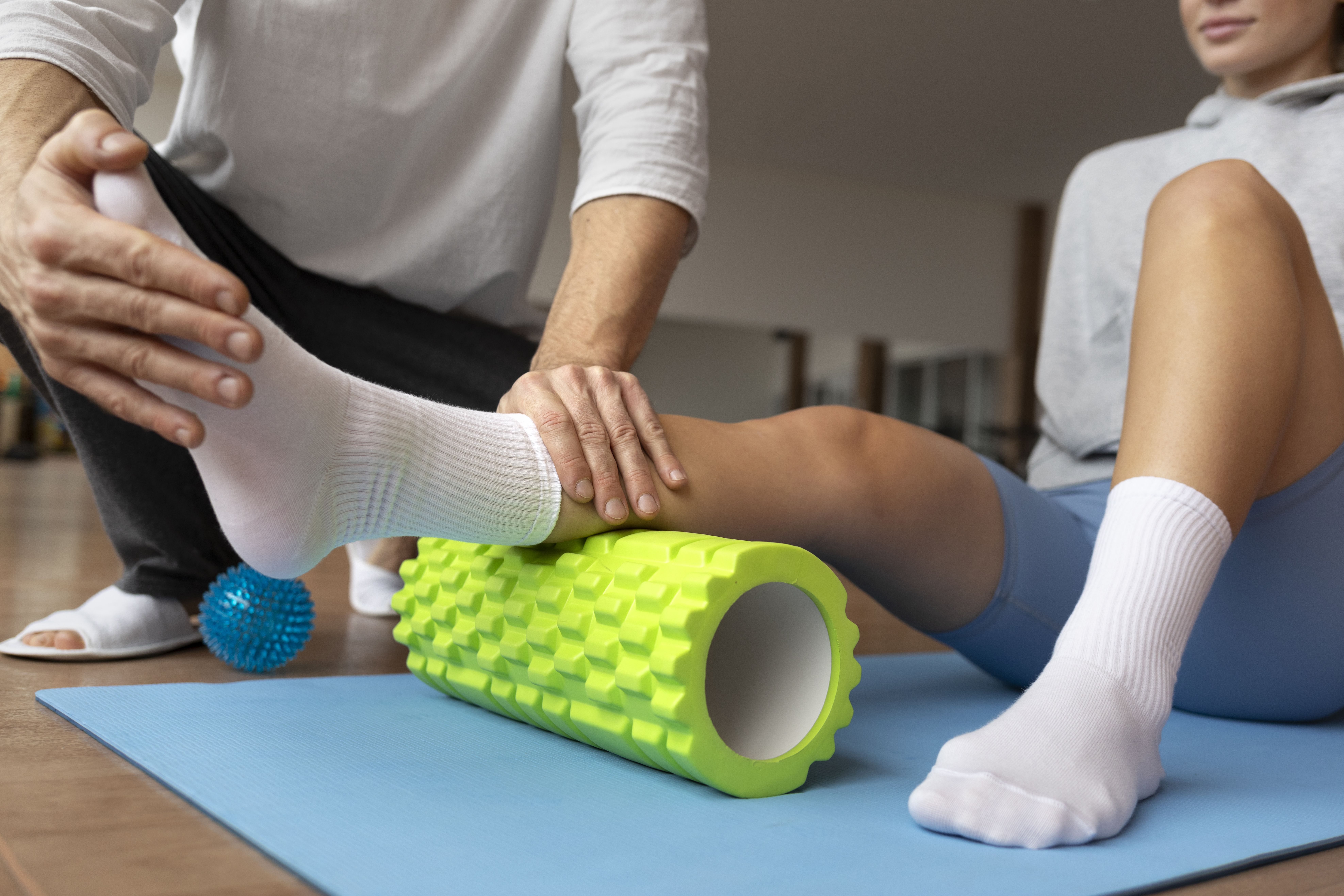
Fibromyalgia is a long-term condition causing widespread pain, fatigue, sleep problems and heightened sensitivity. While there is no cure, the right combination of exercise, pacing and physiotherapy support can significantly improve quality of life.
Fibromyalgia affects an estimated 1 in 20 people in the UK, with women more commonly diagnosed than men. It is a complex condition involving how the brain and nervous system process pain signals — essentially, the volume is turned up on pain perception. This means that signals that would normally be felt as mild pressure or temperature can be experienced as pain.
Common symptoms
Fibromyalgia varies from person to person, but typical symptoms include:
- Widespread pain affecting both sides of the body, above and below the waist
- Persistent fatigue, even after a full night's sleep
- Sleep that is unrefreshing or frequently interrupted
- Tender points — specific areas that are more sensitive to pressure
- Cognitive difficulties ("fibro fog") — trouble concentrating or remembering
- Headaches, including migraines
- Irritable bowel syndrome (IBS) symptoms
- Heightened sensitivity to light, noise, temperature or touch
- Morning stiffness
- Anxiety or low mood
Symptoms often fluctuate, with periods of relative wellbeing interspersed with flare-ups triggered by stress, illness, poor sleep or overexertion.
Why exercise helps (even though it is the last thing you want to do)
When you are in pain and exhausted, exercise can feel impossible. But research consistently shows that aerobic exercise is one of the most effective treatments for fibromyalgia. It works by:
- Improving the way the nervous system processes pain signals
- Increasing production of natural pain-relieving chemicals (endorphins)
- Improving sleep quality
- Reducing fatigue by building cardiovascular fitness
- Improving mood and reducing anxiety
- Maintaining muscle strength and joint mobility
The challenge is that doing too much too soon can trigger a flare-up. The key is starting at a very low level and building up extremely gradually.
The graded exercise approach
Graded exercise means starting with an amount of activity you can do without triggering a flare-up, then increasing it in small, planned increments. Here is how to do it:
Step 1: Find your baseline
Choose a low-impact activity such as walking, swimming or stationary cycling. Start with just 5 minutes at a gentle pace. If you feel fine the next day, that is your baseline. If you flare up, reduce to 2 or 3 minutes.
Step 2: Build gradually
Once you can do your baseline comfortably for several days, increase by just 1 to 2 minutes. Stay at the new level for a week before increasing again. The progression should feel almost imperceptible.
Step 3: Be consistent
Doing a small amount every day or every other day is better than a longer session once a week. Consistency helps the nervous system adapt.
Step 4: Track your progress
Keep a simple diary of what you did, how you felt during it, and how you felt the next day. This helps you identify patterns and adjust.
Best types of exercise for fibromyalgia
Low-impact aerobic
- Walking (flat, even surfaces)
- Swimming or water exercise
- Stationary cycling
- Tai chi
- Gentle yoga (restorative)
Strength and flexibility
- Light resistance bands
- Gentle bodyweight exercises
- Stretching (hold 20-30 seconds)
- Pilates (modified, gentle)
- Foam rolling (light pressure)
The art of pacing
Pacing is one of the most important skills for managing fibromyalgia. It means breaking activities into manageable chunks and resting before you need to, rather than pushing through until you crash.
Key pacing principles:
- Break tasks up: Do 20 minutes of housework, rest, then do another 20 — rather than 2 hours at once.
- Rest before you need to: Do not wait until you are exhausted. Schedule short rests throughout the day.
- Alternate activity types: Switch between physical and mental tasks.
- Plan ahead: Spread demanding activities across the week rather than doing them all in one day.
- Learn your limits: Notice how much of an activity you can do before symptoms worsen, and stay just below that threshold.
How physiotherapy supports fibromyalgia management
A physiotherapist who understands fibromyalgia can be a valuable partner. They can:
- Design a personalised graded exercise programme that respects your current pain and fatigue levels
- Provide gentle manual therapy to relieve muscle tension and tender points
- Teach pacing strategies and help you identify your activity thresholds
- Address specific musculoskeletal problems (e.g. neck pain, back pain) that may be adding to your overall pain load
- Guide you through relaxation and breathing techniques
- Provide education about pain neuroscience — understanding why your body hurts and how to work with it
- Monitor your progress and adjust the programme as you improve
Home physiotherapy is particularly suitable for fibromyalgia because it eliminates the energy cost of travelling to a clinic — a significant benefit when fatigue is a major symptom.
Managing flare-ups
Flare-ups are a normal part of fibromyalgia. Having a plan helps:
- Do not panic: Flare-ups are temporary. They do not mean you are getting worse permanently.
- Scale back, do not stop: Reduce exercise to gentle stretching and short walks. Complete rest can worsen symptoms.
- Prioritise sleep: Pain often disrupts sleep, which worsens pain. Try relaxation techniques before bed.
- Use heat: Warm baths or heat packs can soothe muscle tension.
- Practise gentle breathing: Slow, diaphragmatic breathing can calm the nervous system.
- Ask for help: Reduce your load during a flare-up. Friends and family can help with daily tasks.
- Return gradually: When the flare-up settles, return to your previous exercise level gradually — do not jump straight back.
Other management strategies
Exercise and physiotherapy are most effective as part of a broader approach:
- Sleep hygiene: Consistent bedtimes, a dark cool room, no screens before bed
- Stress management: Mindfulness, meditation, CBT or counselling
- Medication: Your GP may prescribe pain modulators, antidepressants or sleep aids
- Support networks: Connecting with others who understand can reduce isolation
- Nutrition: A balanced diet with regular meals helps maintain energy levels
- Avoid overcommitting: Learn to say no and protect your energy
Frequently asked questions
Can physiotherapy help with fibromyalgia?
While physiotherapy cannot cure fibromyalgia, it can help manage symptoms significantly. A physiotherapist can design a gentle, graded exercise programme that builds fitness without triggering flare-ups, provide manual therapy for pain relief, teach pacing strategies, and address specific musculoskeletal issues that may be contributing to pain.
What exercises are best for fibromyalgia?
Low-impact aerobic exercise such as walking, swimming, cycling or tai chi is the most evidence-supported exercise for fibromyalgia. Start with very short sessions (5 to 10 minutes) and build gradually. Gentle strength training, stretching and relaxation exercises can also help. The key is starting low, going slow, and never pushing through a flare-up.
Should I exercise during a fibromyalgia flare-up?
During a flare-up, reduce exercise to gentle stretching and very light movement rather than stopping completely. Complete rest can worsen fibromyalgia symptoms. Once the flare-up settles, gradually return to your previous level. Your physiotherapist can help you distinguish between normal post-exercise soreness and a flare-up that requires scaling back.
Living with fibromyalgia?
Our physiotherapists understand fibromyalgia and can design a gentle, graded programme to help you manage symptoms and improve quality of life — at home, at your pace. Find a physio near you, or explore our chronic pain management support.

About Parth Chauhan
Parth Chauhan is an HCPC registered, Chartered Physiotherapist (MCSP) with an MSc in Sports and Exercise Biomechanics. He provides home visits across West Yorkshire and North Yorkshire, specialising in musculoskeletal rehabilitation, manual therapy and exercise-based recovery.