Elderly Rehabilitation at Home: Benefits and Complete Guide
Published
Local Physiotherapist - Lizzie Thornton, Staffordshire Moorlands & Cheshire East
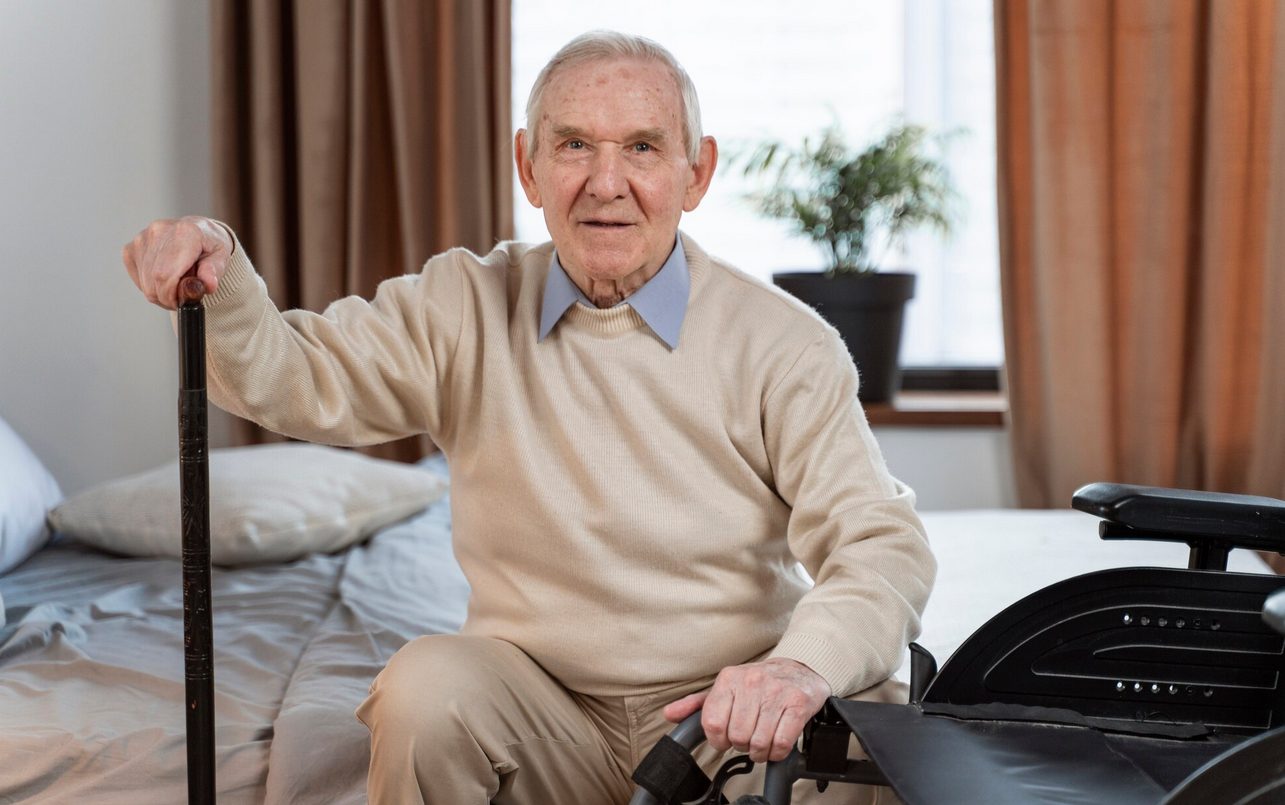
Home-based rehabilitation offers older adults the opportunity to recover from illness, injury, or surgery in familiar surroundings. This guide explores the benefits, what to expect, and how home physiotherapy supports independence and quality of life.
What is elderly rehabilitation?
Elderly rehabilitation focuses on helping older adults regain or maintain function after:
- Surgery (hip/knee replacement, fractures)
- Illness (stroke, pneumonia, COVID-19)
- Hospital stays (deconditioning)
- Falls or injuries
- General decline in mobility
- Chronic conditions affecting function
Benefits of home-based rehabilitation
Comfort and familiarity
- Recover in your own home
- Surrounded by familiar items
- No travel required
- More relaxed environment
- Family can be involved
Functional and practical
- Practice in your actual environment
- Address real challenges (your stairs, your bathroom)
- Identify home hazards
- Adapt exercises to your space
- More relevant to daily life
Personalized care
- One-to-one attention
- Programme tailored to your goals
- Progress at your own pace
- Flexible appointment times
- Continuity of care
Better outcomes
- Higher compliance with exercises
- Faster return to independence
- Reduced hospital readmissions
- Improved confidence
- Better quality of life
Common rehabilitation goals
Mobility goals
- Walking independently indoors
- Managing stairs safely
- Getting in and out of bed
- Standing from chairs
- Walking outdoors
- Using walking aids correctly
Self-care goals
- Washing and dressing independently
- Getting on and off toilet
- Bathing or showering safely
- Preparing simple meals
- Managing medication
Strength and balance goals
- Improving leg strength
- Better balance and stability
- Reducing fall risk
- Building endurance
- Increasing confidence
What to expect from home physiotherapy
Initial assessment
Your physiotherapist will assess:
- Medical history: Conditions, medications, recent events
- Current function: What you can and cannot do
- Mobility: Walking, transfers, stairs
- Strength and balance: Specific tests
- Home environment: Safety and accessibility
- Goals: What matters most to you
Treatment sessions
Typical sessions include:
- Exercises tailored to your needs
- Mobility practice
- Balance training
- Functional activities
- Education and advice
- Progress monitoring
Between sessions
- Daily exercises to practice
- Activity goals to work towards
- Written instructions and diagrams
- Family support and involvement
Key components of elderly rehabilitation
Strength training
Essential for maintaining independence:
- Sit-to-stand exercises
- Leg strengthening
- Core stability
- Upper body strength
- Functional movements
Balance training
Reduces fall risk:
- Standing balance exercises
- Weight shifting
- Tandem stance
- Single leg balance
- Dynamic balance activities
Mobility practice
- Walking practice
- Stair training
- Getting up from floor
- Transfers (bed, chair, toilet)
- Using walking aids
Flexibility work
- Gentle stretching
- Range of motion exercises
- Reducing stiffness
- Improving posture
Conditions commonly treated
Post-surgical rehabilitation
- Hip or knee replacement
- Fracture repairs
- Spinal surgery
- Cardiac surgery
Post-illness recovery
- Stroke rehabilitation
- Pneumonia recovery
- COVID-19 recovery
- General deconditioning
Chronic conditions
- Arthritis management
- Parkinson's disease
- COPD
- Heart failure
- Multiple sclerosis
Falls and injuries
- Post-fall rehabilitation
- Fracture recovery
- Soft tissue injuries
- Falls prevention
Equipment and adaptations
Mobility aids
Your physiotherapist can advise on:
- Walking sticks or frames
- Rollators
- Wheelchairs
- Correct fitting and use
Home adaptations
- Grab rails
- Raised toilet seats
- Shower chairs
- Bed rails
- Stair rails
- Ramps
Daily living aids
- Long-handled reachers
- Dressing aids
- Perching stools
- Non-slip mats
Family involvement
How families can help
- Encourage exercise practice
- Provide appropriate support
- Avoid doing too much for them
- Celebrate progress
- Attend sessions if helpful
- Implement safety recommendations
Finding the right balance
Support independence without being overprotective:
- Let them do what they can safely
- Provide supervision, not assistance
- Encourage rather than discourage
- Be patient with slower pace
- Focus on progress, not perfection
Overcoming common challenges
Low motivation
Strategies to help:
- Set meaningful goals
- Break tasks into small steps
- Celebrate small wins
- Link exercises to valued activities
- Make it social
Fatigue
- Exercise when energy is highest
- Take regular rest breaks
- Build up gradually
- Pace activities
- Prioritize important tasks
Pain or discomfort
- Some discomfort is normal
- Use pain relief as advised
- Apply heat or cold
- Modify exercises if needed
- Communicate with physiotherapist
Fear of falling
- Start with safe, supported exercises
- Build confidence gradually
- Practice in safe environment
- Use appropriate aids
- Address home hazards
Measuring progress
Functional measures
- Distance walked
- Number of stairs managed
- Independence with self-care
- Reduction in walking aid use
- Improved balance scores
Quality of life measures
- Confidence levels
- Ability to do valued activities
- Social participation
- Mood and wellbeing
- Overall satisfaction
Duration of rehabilitation
Timeline varies depending on:
- Starting point: Level of function initially
- Goals: What you want to achieve
- Condition: Type and severity
- Age and health: Overall fitness
- Compliance: Doing exercises regularly
Typical timelines
- Post-surgery: 6-12 weeks
- Post-illness: 4-8 weeks
- Falls prevention: 8-12 weeks
- Chronic conditions: Ongoing support
When to seek elderly rehabilitation
Consider home-based elderly rehabilitation if:
- Recovering from surgery or illness
- Mobility has declined
- Struggling with daily activities
- Had a fall or fear falling
- Recently discharged from hospital
- Want to maintain independence
- Need support at home
The bottom line
Home-based elderly rehabilitation offers:
- Personalized care in familiar surroundings
- Functional, practical approach
- Focus on meaningful goals
- Family involvement and support
- Better outcomes and independence
- Reduced hospital readmissions
- Improved quality of life
With the right support, most older adults can regain function, build confidence, and maintain independence at home. The key is starting rehabilitation early and staying committed to the programme.
Ready to start home rehabilitation?
Our specialist elderly rehabilitation service provides personalized physiotherapy in your home. We help older adults recover from illness or surgery, improve mobility, and maintain independence with compassionate, expert care.

About Lizzie Thornton
Lizzie Thornton is a specialist community physiotherapist with over 15 years of experience in elderly rehabilitation. She is HCPC registered and a member of the Chartered Society of Physiotherapy. Lizzie provides home physiotherapy visits across Staffordshire Moorlands and Cheshire East, helping older adults maintain independence and quality of life.