Deconditioning in the Elderly: Prevention and Recovery Guide
Published
Local Physiotherapist - Lizzie Thornton, Staffordshire Moorlands & Cheshire East
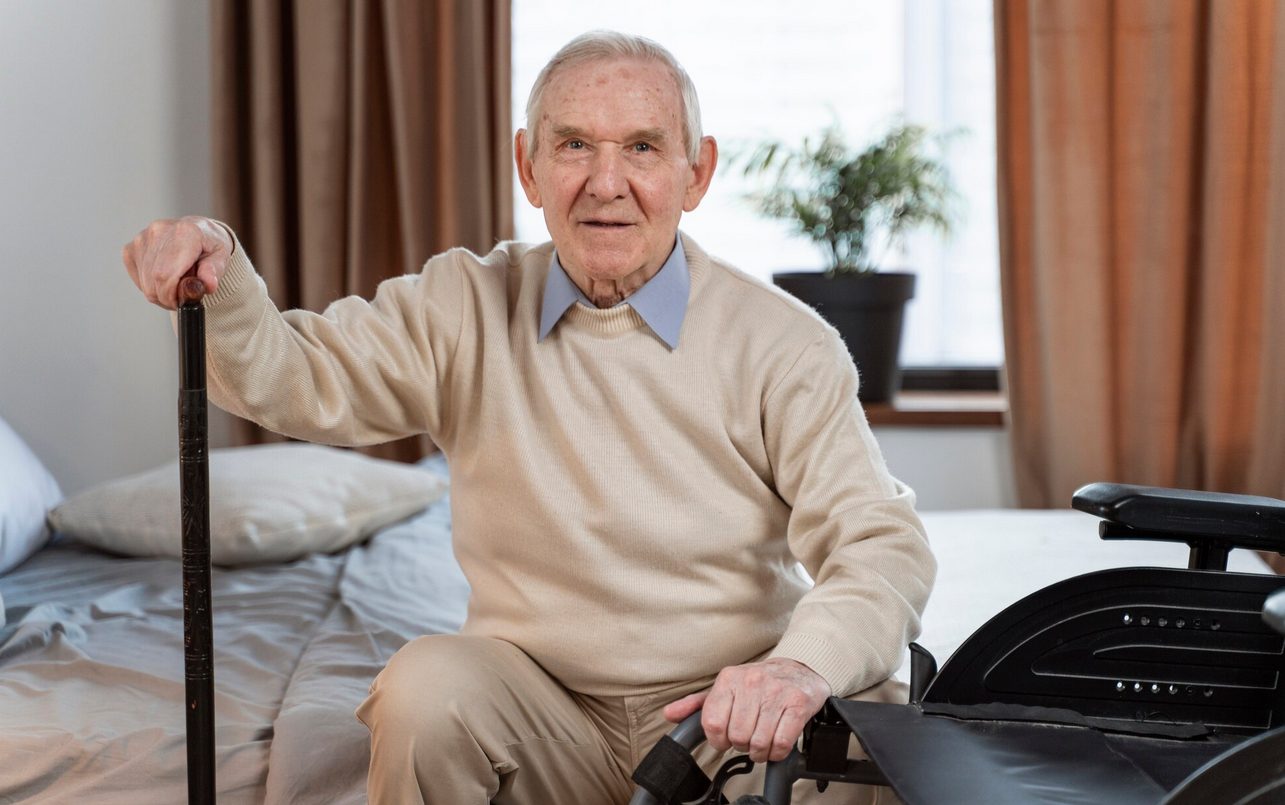
Deconditioning — the loss of physical fitness from inactivity — happens quickly in older adults and can have serious consequences. Understanding how to prevent and reverse it is crucial for maintaining independence and quality of life.
What is deconditioning?
Deconditioning is the rapid loss of physical fitness, strength, and function that occurs when someone becomes inactive. In older adults, it can happen surprisingly quickly — sometimes within days.
Key features
- Muscle loss: Up to 5% per week of bed rest
- Cardiovascular decline: Reduced heart and lung fitness
- Balance problems: Increased fall risk
- Functional decline: Difficulty with daily activities
- Psychological impact: Loss of confidence
Common causes
Hospital stays
- Bed rest during illness
- Reduced activity on ward
- Unfamiliar environment
- Medical restrictions
Illness or injury
- Pneumonia or chest infections
- Fractures
- Surgery
- Stroke
- COVID-19
Fear and anxiety
- Fear of falling
- Pain avoidance
- Loss of confidence
- Depression
Social factors
- Isolation
- Lack of motivation
- No reason to go out
- Bereavement
Signs and symptoms
Physical signs
- Difficulty standing from chair
- Unsteady walking
- Increased breathlessness
- Muscle weakness
- Poor balance
- Fatigue with minimal activity
- Weight loss
Functional changes
- Needing help with tasks previously managed
- Taking longer to do things
- Avoiding stairs
- Staying in chair or bed more
- Reduced walking distance
Psychological signs
- Loss of confidence
- Fear of activity
- Low mood
- Reduced motivation
- Social withdrawal
The deconditioning spiral
- Illness or event → Reduced activity
- Muscle weakness → Tasks become harder
- Reduced confidence → Activity further reduced
- More weakness → Increased dependence
- Loss of independence → Further decline
Breaking this cycle early is crucial.
Prevention strategies
Stay active during illness
- Get out of bed daily
- Sit in chair for meals
- Walk around home regularly
- Do bed exercises if unable to get up
- Avoid prolonged bed rest
In hospital
- Get up and dressed daily
- Walk on ward
- Sit out for meals
- Do exercises in bed
- Ask for physiotherapy
After illness or injury
- Start moving as soon as safe
- Gradually increase activity
- Set daily goals
- Seek rehabilitation support
- Do not wait to "feel better"
Recovery exercises
Week 1: Getting started
Focus: Basic mobility and strength
- Ankle pumps: 20 reps, hourly
- Knee bends in bed: 10 each leg
- Sitting to standing: 5 reps, 3 times daily
- Walking around home: Every 2 hours
- Deep breathing: 10 breaths, hourly
Week 2-3: Building strength
Focus: Increasing repetitions and difficulty
- Sit-to-stand: 10 reps, 3 times daily
- Marching on spot: 20 steps, twice daily
- Step-ups: 5 each leg (use bottom stair)
- Walking: 5-10 minutes, 2-3 times daily
- Arm exercises: 10 reps each
Week 4+: Continued progression
Focus: Returning to normal function
- Sit-to-stand: 15 reps, 3 times daily
- Walking: 15-20 minutes daily
- Stairs: Practice daily
- Balance exercises: Daily
- Functional activities: Housework, shopping
Nutrition for recovery
Protein is crucial
- Aim for protein at every meal
- Meat, fish, eggs, dairy, beans
- Protein shakes if appetite poor
- 20-30g protein per meal ideal
Adequate calories
- Eat regular meals
- Nutritious snacks
- Do not restrict calories during recovery
- Fortified foods if needed
Hydration
- 6-8 glasses daily
- Essential for muscle function
- Prevents confusion
- Aids recovery
Overcoming barriers
Fatigue
Strategies:
- Exercise when energy highest
- Short frequent sessions
- Rest between activities
- Build up gradually
- Fatigue improves with activity
Pain
Strategies:
- Take pain relief before exercise
- Use heat or cold
- Start gently
- Some discomfort is normal
- Severe pain is not
Fear of falling
Strategies:
- Start with supported exercises
- Build confidence gradually
- Use walking aid if needed
- Practice in safe environment
- Celebrate small wins
Low motivation
Strategies:
- Set meaningful goals
- Track progress
- Exercise with others
- Link to valued activities
- Reward yourself
The role of physiotherapy
Specialist reconditioning physiotherapy provides:
- Assessment of current function
- Personalized exercise programme
- Progression guidance
- Motivation and support
- Monitoring progress
- Addressing specific problems
Setting realistic goals
Short-term goals (1-2 weeks)
- Get dressed independently
- Walk to bathroom safely
- Stand for 5 minutes
- Manage stairs with rail
Medium-term goals (4-8 weeks)
- Walk 10 minutes outside
- Prepare simple meals
- Light housework
- Visit friends or family
Long-term goals (3-6 months)
- Return to previous activity level
- Independent with all self-care
- Manage all household tasks
- Resume hobbies and interests
Monitoring progress
Functional measures
- Number of sit-to-stands in 30 seconds
- Walking distance
- Time to walk 10 meters
- Balance test scores
- Independence with daily tasks
Keep a diary
- Daily exercise completed
- Walking distance
- Tasks achieved
- Energy levels
- Confidence ratings
Family support
How families can help
- Encourage daily exercise
- Provide appropriate support
- Avoid doing too much for them
- Celebrate progress
- Be patient
- Maintain positive attitude
Avoiding learned helplessness
- Let them do what they can
- Provide supervision, not assistance
- Allow extra time
- Encourage independence
- Focus on abilities, not disabilities
Long-term maintenance
Staying active
- Continue exercise indefinitely
- Join exercise classes
- Stay socially active
- Maintain hobbies
- Regular walking
Preventing future deconditioning
- Stay active during minor illnesses
- Seek early rehabilitation if hospitalized
- Address problems promptly
- Maintain strength and fitness
- Regular health checks
When to seek help
Contact healthcare professional if:
- Significant decline in function
- Unable to manage at home
- Not improving with self-management
- Multiple falls
- Weight loss
- Confusion or memory problems
- Depression or anxiety
The bottom line
Preventing and reversing deconditioning requires:
- Staying active during illness
- Starting rehabilitation early
- Daily exercise and movement
- Adequate nutrition, especially protein
- Setting realistic goals
- Gradual progression
- Professional support when needed
- Long-term commitment to activity
Deconditioning can be reversed with the right approach. The key is starting early, being consistent, and not giving up. Most older adults can regain significant function with appropriate rehabilitation.
Need help recovering from deconditioning?
Our elderly rehabilitation service provides specialized reconditioning programmes to help you regain strength, mobility, and independence. We work with you at home, progressing at your pace with expert guidance and support.

About Lizzie Thornton
Lizzie Thornton is a specialist community physiotherapist with over 15 years of experience in elderly rehabilitation and reconditioning. She is HCPC registered and a member of the Chartered Society of Physiotherapy. Lizzie provides home physiotherapy visits across Staffordshire Moorlands and Cheshire East, helping older adults recover from deconditioning and regain independence.