Core Strength Exercises for Older Adults: Improve Stability and Balance
Published
Local Physiotherapist - Lizzie Thornton, Staffordshire Moorlands & Cheshire East
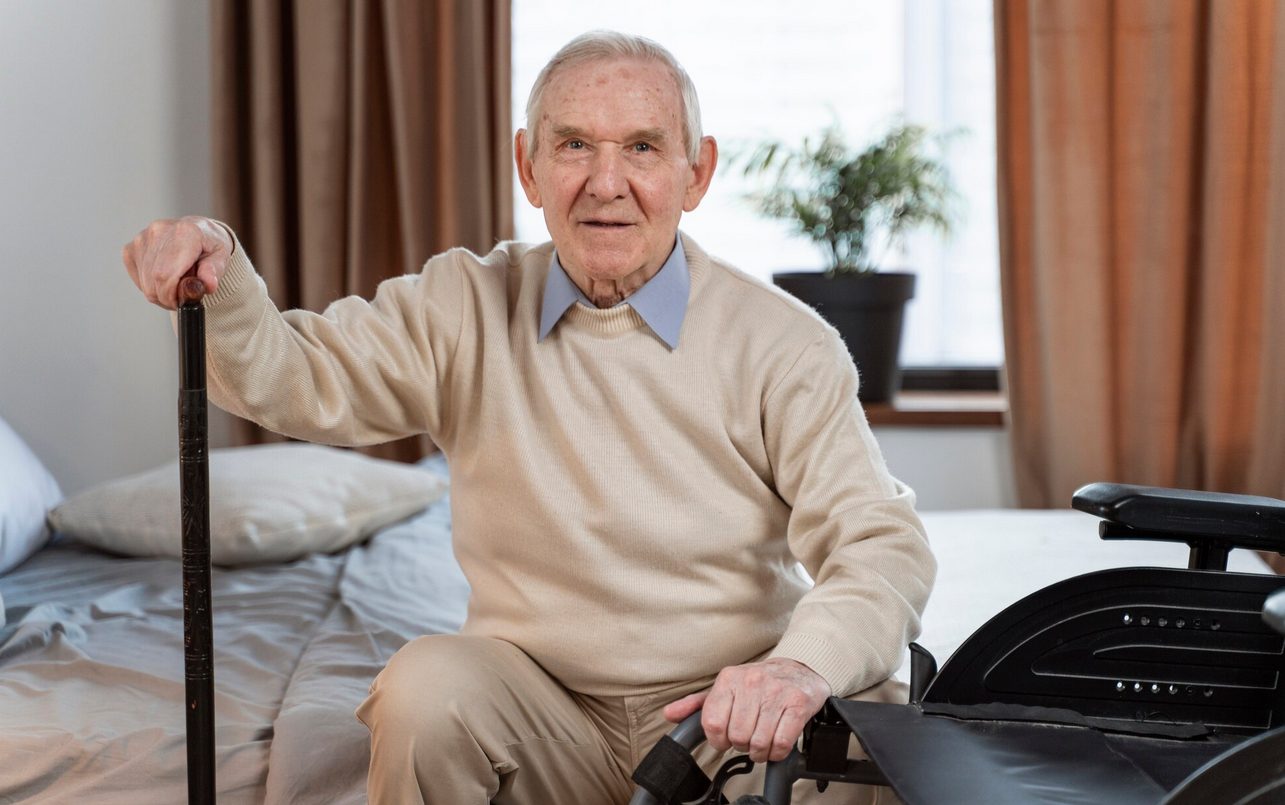
Core strength is essential for older adults. A strong core improves balance, prevents falls, reduces back pain, and makes daily activities easier. This comprehensive guide covers safe, effective core exercises specifically designed for seniors.
Understanding your core
What is the core?
- Not just abdominal muscles
- Includes muscles of trunk and pelvis
- Front: abdominals
- Back: lower back muscles
- Sides: obliques
- Bottom: pelvic floor
- Works as a unit
Why core strength matters
- Improves balance and stability
- Prevents falls
- Reduces back pain
- Better posture
- Easier daily activities
- Protects spine
- Improves breathing
- Enhances overall function
Core strength and aging
Age-related changes
- Core muscles weaken
- Posture deteriorates
- Balance declines
- Back pain more common
- Functional ability decreases
Good news
- Core strength can be improved at any age
- Benefits seen quickly
- Exercises are safe and simple
- Can be done at home
- No equipment needed
Getting started safely
Before you begin
- Check with GP if back problems
- Start gently
- Focus on technique
- Progress gradually
- Stop if sharp pain
Key principles
- Quality over quantity
- Controlled movements
- Breathe throughout
- Engage core gently
- Maintain neutral spine
- Build up slowly
Seated core exercises
Seated marching
- Sit upright in chair
- Lift one knee up
- Lower slowly
- Repeat other side
- 20 reps, 2-3 sets
Seated twist
- Sit upright, arms crossed
- Rotate trunk to one side
- Hold 2 seconds
- Return to center
- Repeat other side
- 10 each side, 2-3 sets
Seated side bend
- Sit upright
- Slide one hand down leg
- Return to upright
- Repeat other side
- 10 each side, 2-3 sets
Seated pelvic tilts
- Sit upright
- Tilt pelvis forward (arch back)
- Then tilt backward (flatten back)
- 10 reps, 2-3 sets
Seated cat-cow
- Sit forward, hands on knees
- Arch back, look up
- Round back, tuck chin
- Alternate slowly
- 10 reps, 2 sets
Standing core exercises
Standing marching
- Stand holding chair
- Lift one knee high
- Lower slowly
- Repeat other side
- 20 reps, 2-3 sets
Standing side bend
- Stand feet hip-width
- Slide one hand down leg
- Return to upright
- Repeat other side
- 10 each side, 2-3 sets
Standing twist
- Stand feet hip-width
- Arms at chest level
- Rotate trunk to one side
- Return to center
- Repeat other side
- 10 each side, 2-3 sets
Modified plank (wall)
- Stand arm's length from wall
- Hands on wall, shoulder-width
- Body in straight line
- Hold 10-30 seconds
- 2-3 sets
Bird dog (standing)
- Stand holding chair
- Lift one leg back
- Keep back straight
- Hold 5 seconds
- 10 reps each leg, 2 sets
Floor-based exercises (if able)
Pelvic tilts
- Lie on back, knees bent
- Tilt pelvis, flatten back to floor
- Hold 5 seconds
- Relax
- 10 reps, 2-3 sets
Bridge
- Lie on back, knees bent
- Lift hips off floor
- Hold 5-10 seconds
- Lower slowly
- 10 reps, 2-3 sets
Dead bug
- Lie on back
- Knees bent, feet up
- Lower one leg, extend opposite arm
- Return and repeat other side
- 10 each side, 2 sets
Modified plank (knees)
- On hands and knees
- Hands under shoulders
- Body in straight line from head to knees
- Hold 10-30 seconds
- 2-3 sets
Bird dog
- On hands and knees
- Extend one arm and opposite leg
- Hold 5 seconds
- Return and repeat other side
- 10 each side, 2 sets
Breathing exercises
Diaphragmatic breathing
- Lie or sit comfortably
- Hand on abdomen
- Breathe in, feel abdomen rise
- Breathe out, abdomen falls
- 5-10 minutes daily
Benefits
- Strengthens diaphragm
- Improves core activation
- Reduces stress
- Better oxygen exchange
Sample programmes
Beginner programme (15 minutes)
Daily or 5 times weekly:
- Seated marching: 20 reps, 2 sets
- Seated twist: 10 each side, 2 sets
- Seated side bend: 10 each side, 2 sets
- Pelvic tilts: 10 reps, 2 sets
- Diaphragmatic breathing: 5 minutes
Intermediate programme (20 minutes)
5 times weekly:
- Standing marching: 20 reps, 3 sets
- Standing twist: 12 each side, 3 sets
- Standing side bend: 12 each side, 3 sets
- Wall plank: 20 seconds, 3 sets
- Bridge: 10 reps, 3 sets
- Pelvic tilts: 12 reps, 3 sets
Advanced programme (30 minutes)
5-6 times weekly:
- Standing marching: 30 reps, 3 sets
- Standing twist: 15 each side, 3 sets
- Wall plank: 30 seconds, 3 sets
- Bridge: 15 reps, 3 sets
- Bird dog: 12 each side, 3 sets
- Dead bug: 12 each side, 3 sets
- Modified plank: 20-30 seconds, 3 sets
Progression strategies
Making exercises harder
- Increase hold time
- Add more repetitions
- Add more sets
- Progress from seated to standing
- Progress from wall to floor
- Add resistance band
- Reduce support
When to progress
- Current level feels easy
- Good form throughout
- Every 2-4 weeks
- Progress one variable at a time
Core strength for daily activities
How core strength helps
- Getting up from chair
- Reaching overhead
- Bending to pick things up
- Carrying shopping
- Gardening
- Housework
- Walking
- Climbing stairs
Combining with other exercises
Balanced programme
- Core exercises: 5-6 times weekly
- Strength training: 2-3 times weekly
- Aerobic activity: 30 mins, 5 days weekly
- Balance exercises: Daily
- Flexibility: Daily
Common mistakes
Avoid these errors
- Holding breath
- Moving too fast
- Poor posture
- Excessive arching of back
- Using momentum
- Doing too much too soon
- Ignoring pain
The role of physiotherapy
General Strengthening Programmes provides:
- Personalized core exercise programme
- Technique instruction
- Appropriate exercise selection
- Safe progression guidance
- Addressing specific weaknesses
- Integration with other exercises
The bottom line
Effective core strengthening requires:
- Regular practice (5-6 times weekly)
- Proper technique
- Controlled movements
- Gradual progression
- Variety of exercises
- Consistency over time
- Integration with daily activities
Core strength is fundamental for healthy aging. With regular practice of these safe, effective exercises, you can improve your balance, reduce back pain, and maintain independence.
Need help with core strengthening?
Our General Strengthening Programmes service provides personalized core strengthening programmes at home. We teach proper technique, create safe progressive routines, and help you build the core strength you need for daily activities.
About Lizzie Thornton
Lizzie Thornton is a specialist community physiotherapist with over 15 years of experience in core strengthening for older adults. She is HCPC registered and a member of the Chartered Society of Physiotherapy. Lizzie provides home physiotherapy visits across Staffordshire Moorlands and Cheshire East.