Choosing a Physiotherapist in Berkshire
Published
Local Physiotherapist — Rits Rana, Berkshire
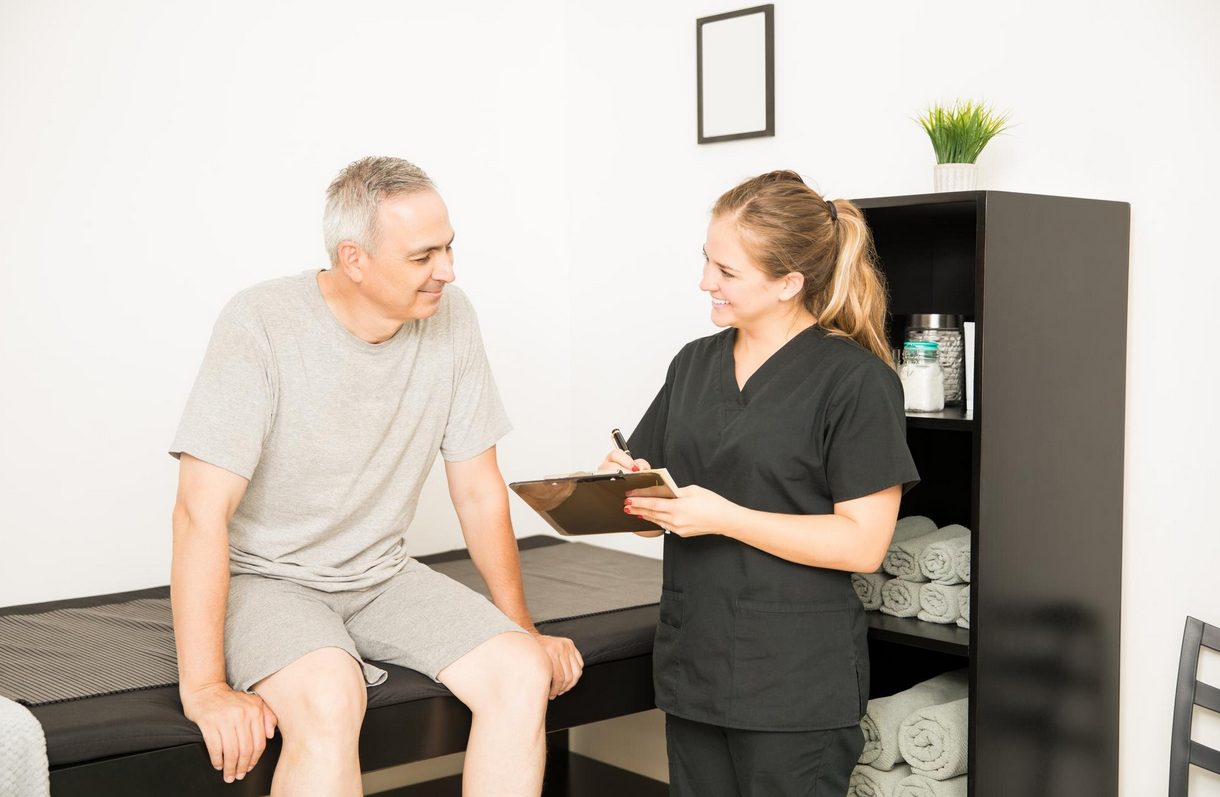
Anyone can call themselves a therapist. Only someone on the HCPC register can legally call themselves a physiotherapist. That single fact is the most useful filter you have, and it takes about a minute to check.
Start with HCPC registration
"Physiotherapist" is a protected title in the UK. To use it legally, a practitioner must be registered with the Health and Care Professions Council. Registration means an approved qualification, meeting professional standards, and being accountable to a regulator if something goes wrong.
You can search the HCPC register free of charge on their website. A physiotherapist should be willing to give you their registration number without hesitation — it should appear on their website and their paperwork. If someone is evasive about it, that tells you what you need to know.
What MCSP adds
MCSP after a name means membership of the Chartered Society of Physiotherapy, the professional body. It is not a legal requirement in the way HCPC registration is, but it indicates engagement with the profession, access to continuing professional development, and appropriate professional insurance.
Both together — HCPC registered and chartered — is the standard worth looking for.
Specialist memberships are worth a look too
Beyond the two basics, some physiotherapists belong to specialist bodies that tell you what they actually do. Membership of BABICM, the British Association of Brain Injury and Complex Case Management, points to genuine experience of complex neurological cases. ACPOHE membership points to occupational health and ergonomics work. Neither is essential for a straightforward knee problem, but if your situation is complicated, they are a useful signal.
Match the experience to your problem
Physiotherapy is broad. Someone who spends their week with elite athletes is not necessarily the right person for stroke rehabilitation at home, and vice versa. Ask what they actually treat day to day.
Worth matching on:
- Neurological rehabilitation — stroke, brain injury, Parkinson's, MS: ask specifically about experience with your condition, not just "neuro"
- Older adults and falls — ask whether they carry out a proper falls risk assessment, not just a set of exercises
- Post-operative rehabilitation — ask whether they follow the surgeon's protocol and how they progress it
- Musculoskeletal pain — ask how they combine hands-on treatment with exercise, because one without the other rarely holds
Questions worth asking on the phone
- Are you HCPC registered, and what is your registration number?
- How much experience do you have with my particular condition?
- How long is the first appointment, and what does it cost?
- Is there a travel fee to my postcode?
- Roughly how many sessions do you expect this to take?
- What happens between visits — will I have a written programme?
- Do you have professional insurance?
A good practitioner will answer all of these without being defensive, and will tell you honestly if they are not the right person for the problem.
Why a free phone call matters
A short call before you commit does two useful things. It lets you judge whether you can talk to this person easily, which matters more than people expect over a course of treatment. And it lets the physiotherapist say honestly whether physiotherapy is likely to help, or whether you should see your GP first.
What home visits cost in Berkshire
Home visits cost more than clinic appointments because the physiotherapist travels to you and sees fewer people in a day. Set against that, you are paying for a full hour of one-to-one time, no travel of your own, no parking, and rehabilitation set in the environment where you actually need to function.
Ask for total costs up front, including any travel fee, so there is nothing to work out later. Rits's prices are published in full.
Practical things that decide it
- Availability — can they see you within a reasonable time, and at a time of day that suits?
- Coverage — do they genuinely cover your part of the county? Berkshire is a long thin county and Hungerford is a very different journey from Slough
- Continuity — will you see the same person each visit? With rehabilitation, that matters
- Communication — will they write to your GP or consultant if that would help?
Home physiotherapy across Berkshire
Home visits are available across Reading, Slough, Bracknell, Maidenhead, Windsor, Newbury and across Berkshire.
Book a home visit in Berkshire
A free phone enquiry is the easiest place to start — talk through what is going on and check whether home physiotherapy is the right fit. No GP referral is needed.
Please mention Mobile Physiotherapist.co.uk

About Rits Rana
Rits Rana is a chartered physiotherapist (HCPC PH106489, MCSP 119421) providing home visit physiotherapy across Reading, Slough, Bracknell, Maidenhead, Windsor, Newbury and across Berkshire, and runs an independent mobile practice, Mobile Rehab. The specialist ground is complex neurological rehabilitation — stroke, brain injury, Parkinson's, MS and motor neurone disease — alongside rehabilitation for older adults and musculoskeletal work at NHS Band 7 level. She assesses and diagnoses directly, so there is no wait for a GP referral before treatment can start.
Read Rits's profile or call 07818 106406.
Please mention Mobile Physiotherapist.co.uk when you call.