Cancer Recovery: Exercise and Fatigue Management Guide
Published
Local Physiotherapist - Lizzie Thornton, Staffordshire Moorlands & Cheshire East
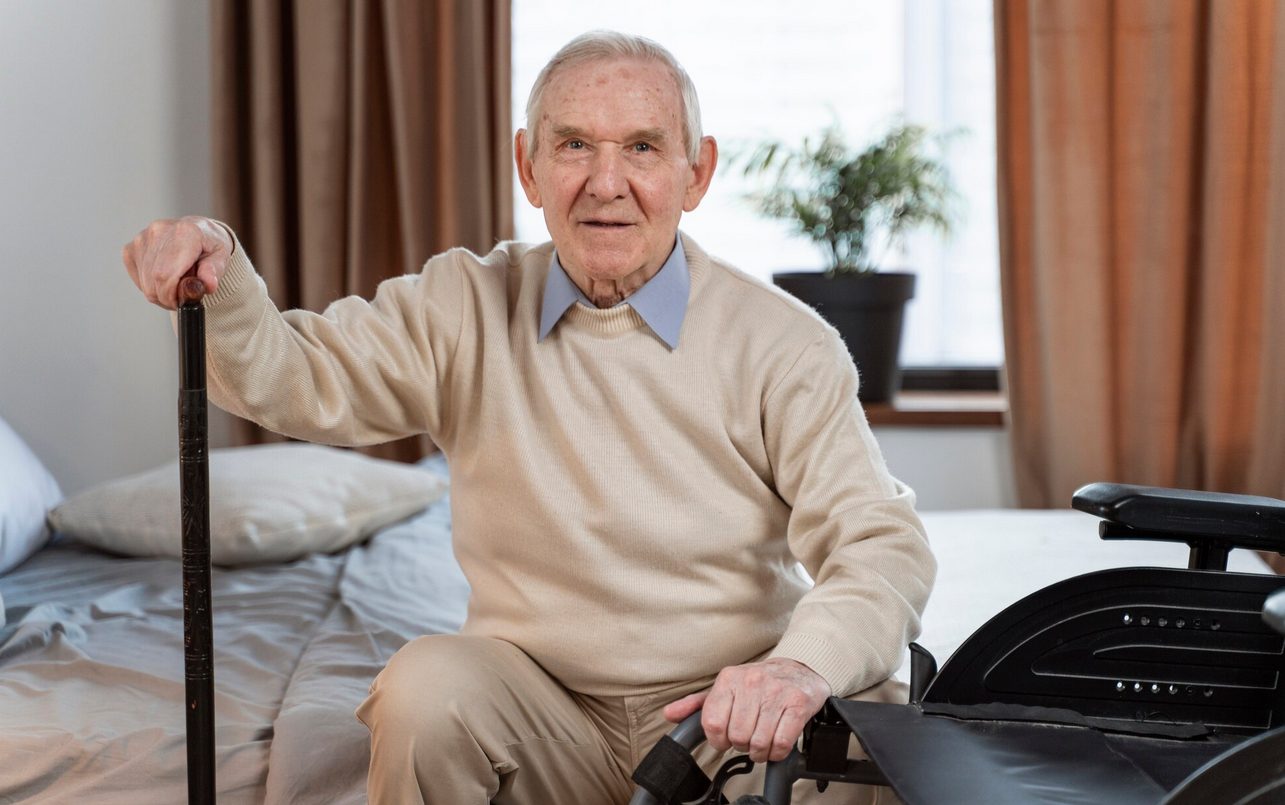
Recovering from cancer and its treatment is a journey that requires patience and the right support. Exercise and activity play a crucial role in recovery, helping to manage fatigue, rebuild strength, and improve quality of life.
Understanding cancer-related fatigue
What is cancer fatigue?
- Overwhelming tiredness
- Not relieved by rest
- Affects daily activities
- Very common during and after treatment
- Can persist for months or years
Causes
- Cancer itself
- Treatment effects (chemotherapy, radiotherapy)
- Surgery recovery
- Anemia
- Poor nutrition
- Deconditioning
- Emotional stress
Benefits of exercise during recovery
Physical benefits
- Reduces fatigue (counterintuitive but true)
- Rebuilds strength and fitness
- Improves balance and coordination
- Maintains bone density
- Helps manage weight
- Improves sleep
Psychological benefits
- Reduces anxiety and depression
- Improves mood
- Increases confidence
- Sense of control
- Social connection
- Better quality of life
Long-term benefits
- May reduce risk of recurrence
- Improves survival rates
- Reduces risk of other diseases
- Maintains independence
When to start exercising
During treatment
- Stay as active as possible
- Light activity is beneficial
- Adjust based on how you feel
- Some days will be better than others
- Any movement is better than none
After treatment
- Start as soon as you feel able
- Begin very gently
- Build up gradually
- Get medical clearance if unsure
Starting an exercise programme
Begin where you are
- Start at your current fitness level
- Even 2-3 minutes is beneficial
- Don't compare to pre-cancer fitness
- Progress at your own pace
Set realistic goals
- Small achievable targets
- Focus on consistency not intensity
- Celebrate small wins
- Be flexible with plans
Types of exercise
Aerobic exercise
Builds stamina and reduces fatigue:
- Walking (most accessible)
- Cycling (stationary or outdoor)
- Swimming
- Dancing
- Start with 5-10 minutes
- Build to 30 minutes, 5 days weekly
Strengthening exercises
Rebuilds muscle lost during treatment:
- Body weight exercises
- Resistance bands
- Light weights
- 2-3 times weekly
- All major muscle groups
Flexibility exercises
- Gentle stretching
- Yoga or tai chi
- Improves range of motion
- Aids relaxation
- Daily
Balance exercises
- Important if treatment affected balance
- Prevents falls
- Single leg stands
- Heel-toe walking
- Daily practice
Exercise guidelines
Starting level
Week 1-2
- 5-10 minutes gentle walking
- Once or twice daily
- Very light intensity
- Rest as needed
Week 3-4
- 10-15 minutes walking
- Once or twice daily
- Light intensity
- Add gentle stretching
Week 5-8
- 15-20 minutes activity
- Increase to moderate intensity
- Add light strengthening
- 5 days weekly
Progression principles
- Increase by 10% weekly
- Listen to your body
- Some days will be harder
- Rest when needed
- Be patient with progress
Managing fatigue
Pacing strategies
- Balance activity and rest
- Break tasks into smaller parts
- Prioritize important activities
- Plan ahead
- Avoid boom-bust cycle
Energy conservation
- Sit for tasks when possible
- Organize items within easy reach
- Use labor-saving devices
- Accept help from others
- Delegate when possible
Sleep hygiene
- Regular sleep schedule
- Relaxing bedtime routine
- Comfortable sleep environment
- Limit daytime naps (20-30 minutes max)
- Avoid screens before bed
Nutrition for recovery
Protein
- Essential for rebuilding
- Include at every meal
- Meat, fish, eggs, dairy, beans
- Protein shakes if appetite poor
Balanced diet
- Variety of fruits and vegetables
- Whole grains
- Healthy fats
- Adequate calories
- Stay hydrated
Managing eating difficulties
- Small frequent meals
- Soft foods if swallowing difficult
- Nutritious snacks
- Seek dietitian advice if needed
Specific considerations
After surgery
- Follow surgeon's guidelines
- Protect surgical site
- Gradually increase activity
- Watch for complications
During chemotherapy
- Exercise on good days
- Rest on bad days
- Adjust intensity as needed
- Avoid gym if immune system low
During radiotherapy
- Continue gentle activity
- Protect irradiated skin
- Fatigue may worsen towards end
- Adjust as needed
Lymphedema
- Exercise is beneficial
- Wear compression garment
- Gradual progression
- Monitor for swelling
- Seek specialist advice
Warning signs
Stop exercising if
- Severe fatigue
- Dizziness or faintness
- Chest pain
- Unusual breathlessness
- Nausea or vomiting
- Severe pain
- Fever
Seek medical advice if
- Symptoms persist
- New symptoms develop
- Concerned about exercising
- Unsure what's safe
Psychological support
Common challenges
- Fear of recurrence
- Anxiety about activity
- Depression
- Loss of confidence
- Changed body image
Coping strategies
- Talk about feelings
- Join support group
- Stay socially connected
- Focus on what you can do
- Seek professional help if needed
- Be kind to yourself
Returning to work
Considerations
- When you feel ready
- Discuss with employer
- Phased return often helpful
- Flexible working arrangements
- Occupational health support
The role of physiotherapy
Post-Illness Recovery & Reconditioning provides:
- Personalized exercise programme
- Fatigue management strategies
- Gradual progression guidance
- Support and motivation
- Addressing specific impairments
- Liaison with oncology team
The bottom line
Successful cancer recovery requires:
- Regular physical activity
- Gradual progression
- Fatigue management
- Good nutrition
- Adequate rest
- Psychological support
- Patience with recovery
- Professional guidance
Recovery from cancer takes time, but exercise can significantly improve your quality of life and help you regain strength and confidence. Start where you are, progress gradually, and be patient with yourself.
Need support with cancer recovery?
Our Post-Illness Recovery & Reconditioning service provides expert physiotherapy for cancer recovery. We help you rebuild strength, manage fatigue, and return to activities you enjoy with personalized support at home.
Get in touch Learn about Post-Illness Recovery & Reconditioning

About Lizzie Thornton
Lizzie Thornton is a specialist community physiotherapist with over 15 years of experience in cancer rehabilitation and post-illness recovery. She is HCPC registered and a member of the Chartered Society of Physiotherapy. Lizzie provides home physiotherapy visits across Staffordshire Moorlands and Cheshire East.