Building Walking Confidence Outdoors for Seniors
Published
Local Physiotherapist - Lizzie Thornton, Staffordshire Moorlands & Cheshire East
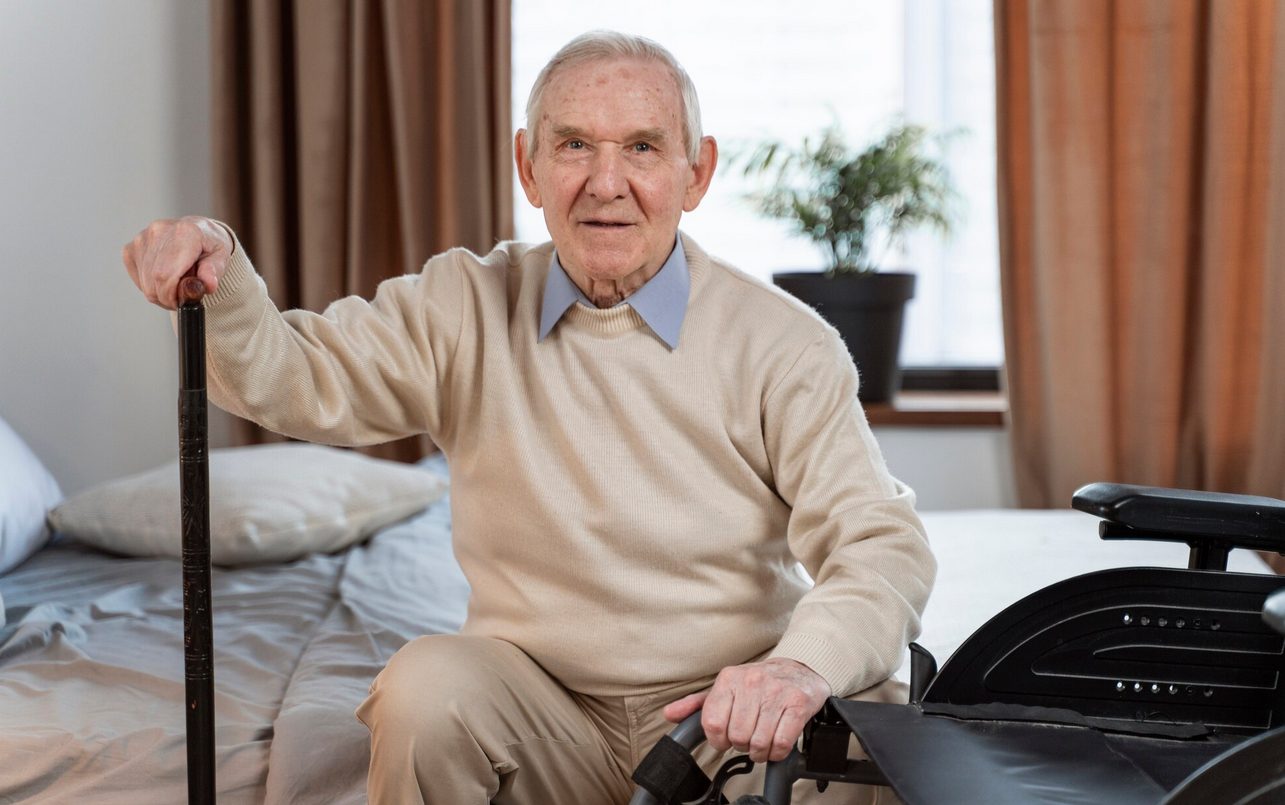
Many older adults lose confidence walking outdoors after a fall, illness, or period of reduced activity. This comprehensive guide provides practical strategies to rebuild outdoor walking confidence safely and gradually.
Why outdoor confidence matters
Benefits of outdoor walking
- Physical health and fitness
- Mental wellbeing
- Social connection
- Independence
- Quality of life
- Vitamin D from sunlight
- Connection with nature
Impact of lost confidence
- Reduced activity levels
- Social isolation
- Loss of independence
- Deconditioning
- Increased fall risk
- Depression and anxiety
- Reduced quality of life
Common fears and concerns
Fear of falling
- Most common concern
- Often after previous fall
- Worry about uneven surfaces
- Concern about getting up if fall
- Fear of injury
Environmental concerns
- Uneven pavements
- Curbs and steps
- Slopes and hills
- Crowds
- Traffic
- Weather conditions
- Poor lighting
Physical concerns
- Fatigue and stamina
- Balance problems
- Joint pain
- Breathlessness
- Dizziness
- Weakness
Building confidence step-by-step
Stage 1: Indoor preparation
- Build strength and balance indoors first
- Practice walking at home
- Work on stamina
- Build physical foundation
- 2-4 weeks typically
Stage 2: Garden or yard
- Safe, familiar environment
- Short distances
- Practice on different surfaces
- Build confidence gradually
- 1-2 weeks
Stage 3: Very short outdoor walks
- Just to end of path or driveway
- With companion initially
- Familiar route
- Quiet time of day
- 1-2 weeks
Stage 4: Short local walks
- 5-10 minutes
- Familiar routes
- Even surfaces
- With companion if needed
- 2-3 weeks
Stage 5: Increasing distance and variety
- Gradually longer walks
- New routes
- Varied terrain
- Building independence
- Ongoing
Practical strategies
Start small
- Very short distances initially
- Success builds confidence
- Better to do little often
- Gradually increase
- No pressure
Choose routes carefully
- Familiar areas first
- Well-maintained pavements
- Avoid busy roads initially
- Know where rest spots are
- Plan circular routes (or out-and-back)
- Avoid isolated areas
Pick the right time
- When you feel best (energy-wise)
- Good weather
- Good light
- Quieter times initially
- Not rushed
Use aids if helpful
- Walking stick for confidence
- Rollator if needed
- Nordic walking poles
- No shame in using aids
- They enable independence
Walk with others
- Friend or family member
- Walking group
- Provides support and safety
- Makes it enjoyable
- Gradually reduce support
Managing specific challenges
Uneven surfaces
- Look ahead, plan route
- Slow down
- Lift feet higher
- Use walking aid
- Practice on varied surfaces
- Build up gradually
Curbs and steps
- Approach straight on
- Use handrail if available
- Take your time
- Practice at home first
- Look for dropped curbs
Slopes and hills
- Start with gentle slopes
- Lean slightly forward going up
- Take smaller steps going down
- Use walking aid
- Build up gradually
Crowds
- Avoid busy times initially
- Walk at edge of pavement
- Take your time
- Don't feel rushed
- Gradually expose yourself
Weather challenges
- Check forecast
- Avoid extreme conditions initially
- Dress appropriately
- Extra caution in rain
- Avoid ice and snow until confident
- Have indoor alternative
Safety planning
Before you go
- Tell someone where you're going
- Take mobile phone
- Wear appropriate footwear
- Check weather
- Plan route
- Know where rest spots are
What to carry
- Mobile phone (charged)
- Emergency contact details
- Water
- Medication if needed
- Small snack
- Personal alarm (optional)
If you feel unwell
- Stop and rest
- Find somewhere to sit
- Call for help if needed
- Don't push through
- Better safe than sorry
Psychological strategies
Positive self-talk
- "I can do this"
- "I'm getting stronger"
- "It's okay to take my time"
- "I'm being sensible, not fearful"
- Challenge negative thoughts
Visualization
- Imagine successful walks
- Picture yourself confident
- Rehearse mentally
- Builds actual confidence
Celebrate successes
- Acknowledge achievements
- No matter how small
- Tell supportive people
- Reward yourself
- Build on successes
Accept setbacks
- Bad days are normal
- Don't give up
- Return to previous level
- Progress isn't linear
- Be kind to yourself
Building physical capacity
Strength training
- Leg strength crucial
- Core stability
- Upper body for aids
- 2-3 times weekly
- Builds confidence
Balance exercises
- Daily practice
- Improves stability
- Reduces fall risk
- Builds confidence
Stamina building
- Gradual increase in walking
- Consistent practice
- Builds endurance
- Enables longer walks
The role of physiotherapy
Walking Practice provides:
- Graduated outdoor walking programme
- Accompanied walks initially
- Building confidence step-by-step
- Addressing specific fears
- Gait re-education
- Strength and balance training
- Ongoing support and encouragement
The bottom line
Building outdoor walking confidence requires:
- Starting at appropriate level
- Gradual, step-by-step progression
- Addressing physical and psychological factors
- Practical safety strategies
- Support from others
- Patience and persistence
- Celebrating small successes
Rebuilding outdoor walking confidence takes time, but it's absolutely achievable. With the right approach and support, you can regain the freedom and independence that outdoor walking provides.
Need help building outdoor confidence?
Our Walking Practice service provides personalized support to help you regain confidence walking outdoors. We work with you at your pace, providing accompaniment, encouragement, and practical strategies.

About Lizzie Thornton
Lizzie Thornton is a specialist community physiotherapist with over 15 years of experience helping older adults regain walking confidence. She is HCPC registered and a member of the Chartered Society of Physiotherapy. Lizzie provides home physiotherapy visits across Staffordshire Moorlands and Cheshire East.