Recovering From a Broken Hip at Home in Wiltshire
Published
Local Physiotherapist — Rits Rana, Wiltshire
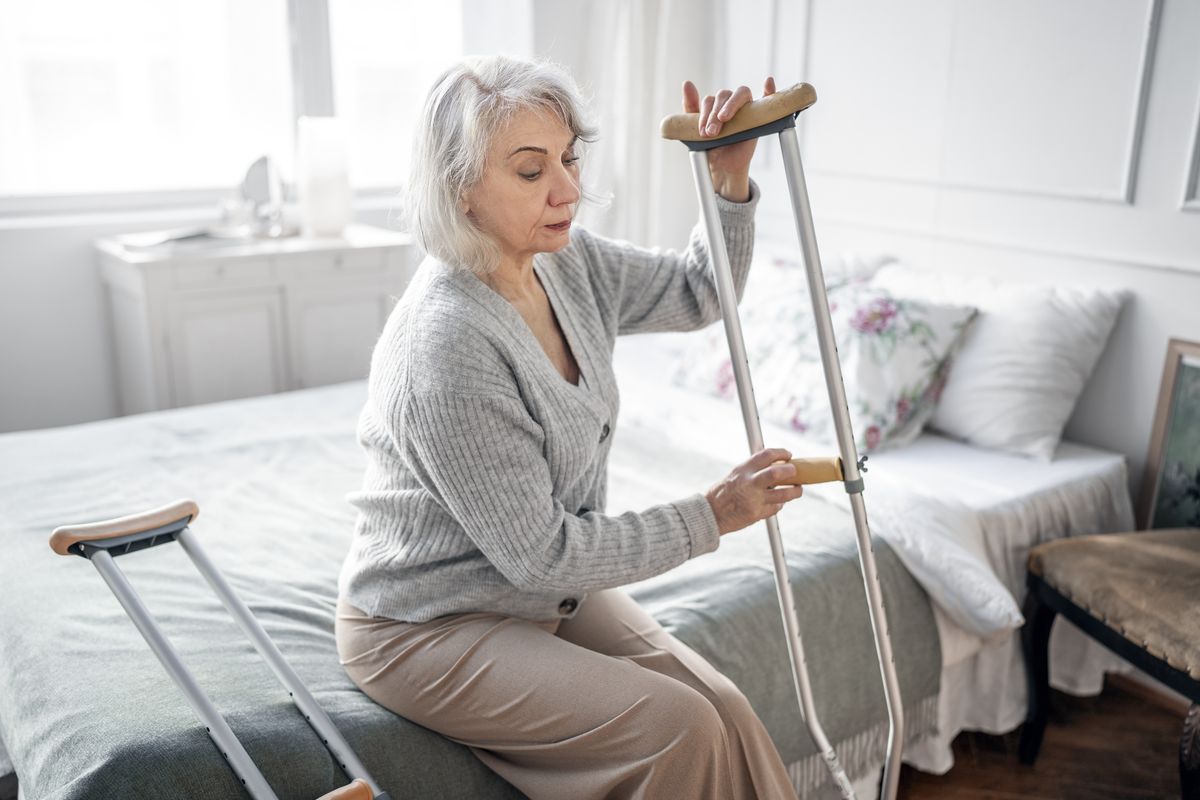
A broken hip is one of the most common serious injuries in older people, usually after a fall. Getting home is a big step, but it is the start of recovery, not the end. The work done in the weeks and months afterwards makes a real difference to how well someone gets back on their feet.
In hospital
Most people with a broken hip have an operation within a day or two, either to fix the bone or to replace part of the joint. Hospital teams aim to get people up and moving very soon afterwards, often the next day, because the sooner you move, the better the recovery tends to be.
In Wiltshire this usually happens at the Great Western Hospital in Swindon, Salisbury District Hospital or the Royal United Hospital in Bath. Before you leave, you should have advice on what you can and cannot do. Follow it: your surgical team's advice always comes first.
The first weeks at home
- Keep moving little and often. Short walks around the house several times a day are better than one long one.
- Do your exercises. Simple leg exercises in bed or in a chair keep the muscles working.
- Take your painkillers as advised, timed so they are working when you exercise.
- Use your walking aid every time, until a physiotherapist says you are ready to change it.
- Eat and drink well. Healing bone and muscle need protein and fluids.
Rebuilding strength and walking
Many people lose a lot of strength after a broken hip, especially in the muscles around the hip and thigh. Physiotherapy builds this back up step by step: standing up from a chair, walking further, managing the stairs, and then moving on from a frame to a stick, and from a stick to nothing if that is realistic.
Recovery takes months rather than weeks, and it is normal for progress to be up and down. The aim is to get back as close as possible to how things were before the fall.
Confidence after a fall
After a broken hip, many people are frightened of falling again, and start to do less. That fear is understandable, but moving less makes the legs weaker and another fall more likely. Practising the things that feel risky, with a physiotherapist beside you, is one of the best ways to rebuild confidence.
Preventing another fall
- Strength and balance exercises, kept up for months
- A look at the house: rugs, lighting, rails on the stairs and in the bathroom
- A review of tablets with your GP or pharmacist
- An eye test
- Ask your GP about bone health. A broken hip after a simple fall can be a sign of thin bones (osteoporosis), which can be treated.
Warning signs
- Call the hospital or your GP straight away if your calf becomes painful, hot or swollen, the wound becomes red or leaks, you have a high temperature, or the hip suddenly becomes much more painful or the leg looks a different shape.
- Call 999 if you have chest pain or sudden breathlessness.
Why home visits help
After a broken hip, getting to a clinic is often not possible for weeks. At home, Rits can work on the real things: your stairs, your chair, your bathroom and your front step. She can also show family how to help safely.
Home visits across Wiltshire
Physiotherapy after a broken hip is available at home across Swindon, Salisbury, Chippenham, Trowbridge, Devizes, Marlborough and across Wiltshire. You can read more about hip rehabilitation in Swindon and falls prevention in Salisbury.
Book a home visit in Wiltshire
A free phone call is the easiest place to start. Talk through what is going on and check whether home physiotherapy is the right fit. No GP referral is needed.
Please mention Mobile Physiotherapist.co.uk

About Rits Rana
Rits Rana is a chartered physiotherapist (HCPC PH106489, MCSP 119421) providing home visit physiotherapy across Swindon, Salisbury, Chippenham, Trowbridge, Devizes, Marlborough and across Wiltshire, and runs an independent mobile practice, Mobile Rehab. Her specialist ground is complex neurological rehabilitation: stroke, brain injury, Parkinson's, MS and motor neurone disease. Alongside that she works with older adults on strength, balance and falls, and treats muscle and joint problems at NHS Band 7 level. She assesses and diagnoses directly, so there is no wait for a GP referral before treatment can start.
Read Rits's profile or call 07818 106406.
Please mention Mobile Physiotherapist.co.uk when you call.