Ankle Fracture Recovery: Weight Bearing and Exercises Guide
Published
Local Physiotherapist - Lizzie Thornton, Staffordshire Moorlands & Cheshire East
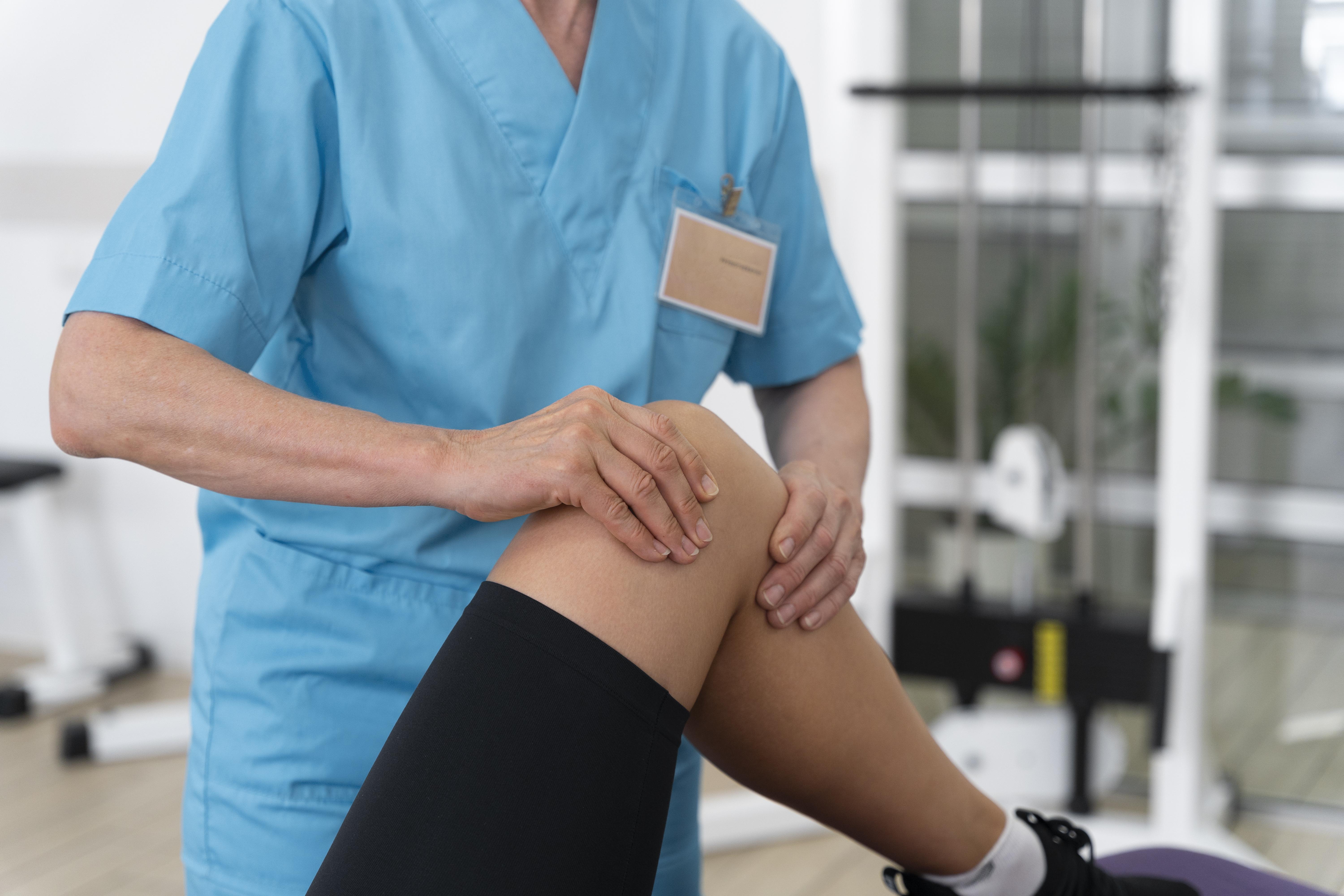
Ankle fractures require careful rehabilitation to regain full function. Understanding weight bearing progression and doing the right exercises at the right time is crucial for optimal recovery.
Understanding ankle fractures
Ankle fractures involve breaks in one or more of the bones that form the ankle joint. Treatment and recovery depend on severity and stability.
Treatment types
- Conservative: Boot or cast for 6-8 weeks
- Surgical (ORIF): Plates and screws to stabilize
Recovery timeline
Weeks 0-6: Non-weight bearing phase
- No weight on injured ankle
- Use crutches or wheelchair
- Exercises for toes, knee, hip
- Swelling management crucial
Weeks 6-8: Partial weight bearing
- Gradual weight bearing begins
- Still using crutches
- Ankle exercises start
- Swelling still present
Weeks 8-12: Full weight bearing
- Progress to walking without aids
- Increased exercise intensity
- Functional activities
- Gait retraining
Months 3-6: Advanced rehabilitation
- Strengthening and balance
- Return to normal activities
- Sport-specific training if needed
- Full recovery by 6-12 months
Exercises during non-weight bearing
Toe exercises
- Wiggle toes: Hourly
- Toe curls: 20 reps, 3 times daily
- Toe spreads: 20 reps, 3 times daily
- Prevents stiffness
Ankle pumps
- Point toes down
- Pull toes up
- 20 reps every hour while awake
- Reduces swelling
- Maintains circulation
Knee and hip exercises
- Knee bends: 10 reps, 3 times daily
- Straight leg raises: 10 reps, 3 times daily
- Hip exercises: Maintain strength
Weight bearing progression
Touch weight bearing
- Toes touch ground for balance only
- No actual weight through leg
- Use crutches for full support
Partial weight bearing (25-50%)
- Gradually increase weight
- Still using crutches
- Pain should not increase
- Progress over 1-2 weeks
Weight bearing as tolerated
- Put as much weight as comfortable
- Reduce crutch use gradually
- Progress to one crutch
- Then walking stick if needed
Full weight bearing
- No aids needed
- Normal walking pattern
- May take several weeks
- Limp may persist initially
Early mobilization exercises
Ankle alphabet
- Sit with leg extended
- Use ankle to "write" alphabet in air
- Do twice daily
- Improves range of motion
Ankle circles
- Make circles with ankle
- 10 clockwise
- 10 anticlockwise
- 3-4 times daily
Towel stretches
- Sit with leg straight
- Loop towel around foot
- Pull gently towards you
- Hold 30 seconds
- Repeat 3 times, twice daily
Strengthening exercises
Resistance band exercises
Plantarflexion (pointing down)
- Band around foot
- Push foot down against resistance
- 10-15 reps, twice daily
Dorsiflexion (pulling up)
- Band around foot, anchored
- Pull foot up against resistance
- 10-15 reps, twice daily
Inversion/eversion
- Move foot in and out against band
- 10-15 reps each direction
- Twice daily
Calf raises
- Stand holding support
- Rise up on toes
- Lower slowly
- Start with both feet
- Progress to single leg
- 10-15 reps, twice daily
Balance and proprioception
Single leg balance
- Stand on injured leg
- Hold support initially
- Progress to no support
- Hold 30 seconds
- Repeat 5 times, twice daily
Balance board exercises
- Stand on wobble board
- Maintain balance
- Progress difficulty gradually
- 5 minutes, twice daily
Gait retraining
Normal walking pattern
- Heel strikes first
- Roll through foot
- Push off with toes
- Equal step length
- Practice in front of mirror
Common gait problems
- Limping: Normal initially, should improve
- Toe walking: Avoid, work on heel strike
- Short steps: Gradually increase stride
- Turning out foot: Keep foot pointing forward
Managing swelling
Elevation
- Elevate above heart level
- 20-30 minutes, 3-4 times daily
- Especially after activity
- Use pillows for support
Ice therapy
- 15-20 minutes after exercises
- Wrap ice pack in towel
- 3-4 times daily
- Reduces inflammation
Compression
- Compression sock or bandage
- Not too tight
- Remove at night
- Check circulation regularly
Returning to activities
Driving
- Right ankle: 6-8 weeks minimum
- Left ankle: Earlier if automatic
- Must have full control
- Check with doctor and insurance
Work
- Sedentary: 6-8 weeks
- Standing/walking: 8-12 weeks
- Manual labor: 3-6 months
- Phased return helpful
Sports
- Swimming: 8-10 weeks
- Cycling: 10-12 weeks
- Running: 3-4 months
- Contact sports: 4-6 months
- Get medical clearance
Preventing complications
Stiffness
- Do exercises consistently
- Frequent gentle movements
- Heat before exercises
- Professional therapy if severe
Chronic swelling
- Continue elevation
- Compression stockings
- Regular exercise
- May persist for months
Re-injury
- Complete full rehabilitation
- Strengthen adequately
- Balance training crucial
- Ankle support for sports initially
When to seek help
Contact healthcare professional if:
- Severe pain not improving
- Increasing swelling or redness
- Unable to weight bear as expected
- Numbness or tingling
- Not regaining movement
- Wound problems if surgical
The role of physiotherapy
Fracture / Broken Bones Rehabilitation (18+) provides:
- Weight bearing progression guidance
- Personalized exercise programme
- Gait retraining
- Hands-on treatment for stiffness
- Balance and proprioception training
- Return to sport planning
The bottom line
Successful ankle fracture recovery requires:
- Following weight bearing restrictions
- Consistent daily exercises
- Gradual progression
- Swelling management
- Gait retraining
- Balance work
- Patience — full recovery takes 6-12 months
Most people regain good ankle function with appropriate rehabilitation. The key is starting exercises early, being consistent, and progressing gradually through the phases of recovery.
Need help with ankle fracture recovery?
Our Fracture / Broken Bones Rehabilitation (18+) service provides expert physiotherapy for ankle fractures, helping you progress through weight bearing safely and regain full function. We work with you at home for convenient, effective rehabilitation.
Get in touch Learn about Fracture / Broken Bones Rehabilitation (18+)

About Lizzie Thornton
Lizzie Thornton is a specialist community physiotherapist with over 15 years of experience in fracture rehabilitation. She is HCPC registered and a member of the Chartered Society of Physiotherapy. Lizzie provides home physiotherapy visits across Staffordshire Moorlands and Cheshire East, helping people recover from fractures and return to full function.