Ageing Well: Staying Independent and Healthy
Published
Local Physiotherapist - Lizzie Thornton, Staffordshire Moorlands & Cheshire East
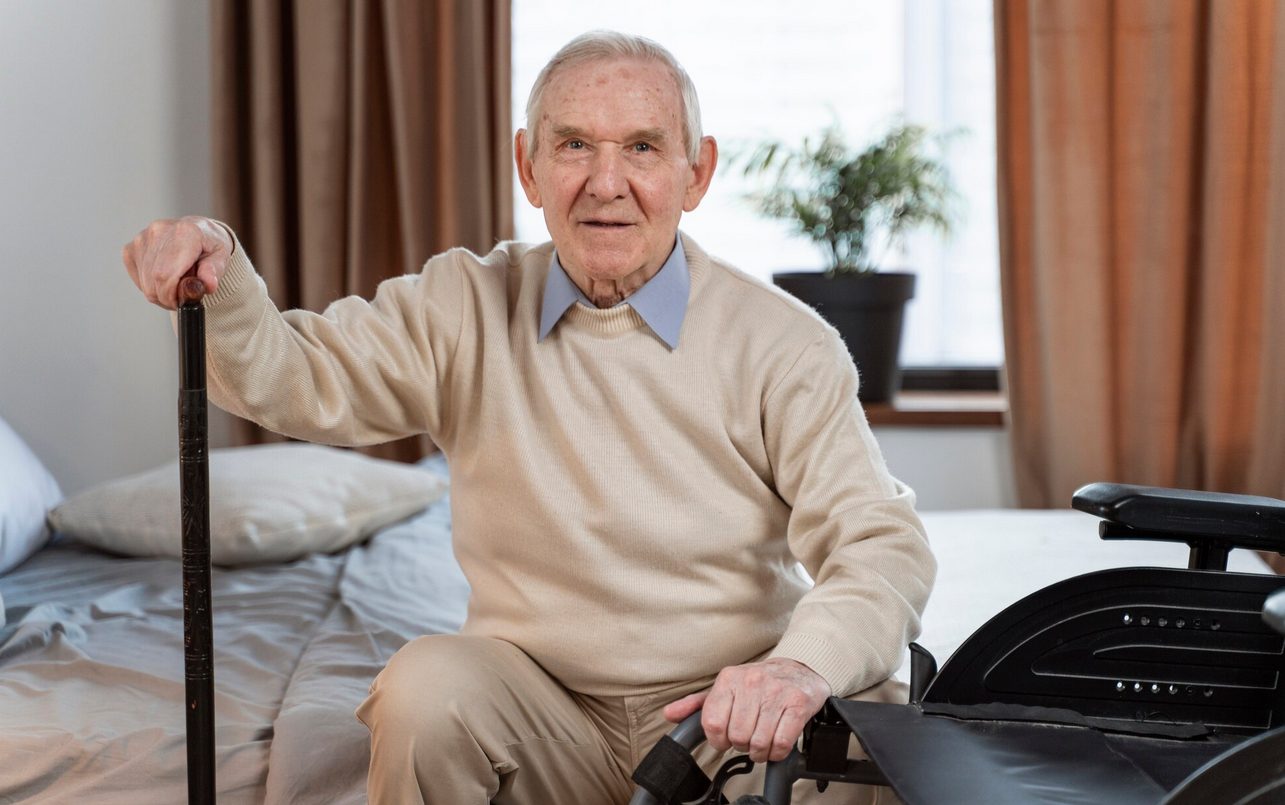
Ageing well is about maintaining health, independence, and quality of life as we get older. This comprehensive guide provides evidence-based strategies, practical advice, and expert tips for healthy ageing and staying independent for longer.
What is healthy ageing?
Definition
- Maintaining physical and mental health
- Staying independent
- Remaining socially connected
- Continuing meaningful activities
- Adapting to changes
- Quality of life focus
- Not just absence of disease
Key principles
- Stay physically active
- Eat well
- Keep mentally stimulated
- Maintain social connections
- Manage health conditions
- Prevent falls
- Stay engaged with life
- Positive mindset
Physical activity
Why it's crucial
- Maintains strength and mobility
- Prevents falls
- Manages chronic conditions
- Improves mental health
- Maintains independence
- Enhances quality of life
- Adds years to life
Recommended activities
- 150 minutes moderate activity weekly
- Strength training 2-3 times weekly
- Balance exercises daily
- Flexibility work
- Walking, swimming, cycling
- Gardening, dancing
- Whatever you enjoy
Nutrition for healthy ageing
Balanced diet
- Plenty of vegetables and fruit
- Whole grains
- Lean protein
- Healthy fats
- Adequate calcium and vitamin D
- Stay hydrated
- Limit processed foods
Protein importance
- Maintains muscle mass
- Supports recovery
- Immune function
- Aim for protein at each meal
- Meat, fish, eggs, dairy, legumes
Hydration
- 6-8 glasses daily
- More in hot weather
- Don't wait until thirsty
- Water, tea, milk
- Limit alcohol
Mental health and wellbeing
Stay mentally active
- Learn new skills
- Read regularly
- Puzzles and games
- Creative hobbies
- Technology use
- Lifelong learning
Emotional wellbeing
- Maintain positive outlook
- Manage stress
- Seek help if struggling
- Practice gratitude
- Mindfulness
- Accept changes
Social connections
Why they matter
- Reduce loneliness
- Improve mental health
- Provide support
- Sense of purpose
- Cognitive stimulation
- Longer, healthier life
Staying connected
- Regular contact with family and friends
- Join clubs or groups
- Volunteer
- Community activities
- Religious or spiritual groups
- Online communities
- Intergenerational activities
Managing health conditions
Proactive approach
- Regular health checks
- Manage medications properly
- Monitor chronic conditions
- Attend appointments
- Ask questions
- Follow treatment plans
- Report changes
Common conditions
- Arthritis
- Heart disease
- Diabetes
- Osteoporosis
- High blood pressure
- COPD
- Most manageable with lifestyle
Fall prevention
Why falls matter
- Leading cause of injury
- Can lead to loss of independence
- Fear of falling limits activity
- Most falls preventable
- Serious consequences
Prevention strategies
- Regular exercise (especially balance)
- Home safety modifications
- Appropriate footwear
- Vision checks
- Medication review
- Use aids if needed
- Stay active
Sleep quality
Importance of sleep
- Physical recovery
- Mental health
- Immune function
- Memory consolidation
- Energy levels
- Overall health
Better sleep habits
- Regular sleep schedule
- Comfortable bedroom
- Avoid screens before bed
- Limit caffeine
- Regular exercise (not late)
- Relaxation routine
- Address sleep problems
Maintaining independence
Home adaptations
- Grab rails
- Good lighting
- Remove trip hazards
- Stair rails
- Raised toilet seat
- Shower seat
- Easy-access storage
Assistive devices
- Walking aids
- Reaching aids
- Easy-grip utensils
- Magnifiers
- Hearing aids
- Personal alarm
- Don't be too proud to use them
Technology
- Smartphones and tablets
- Video calling
- Online shopping
- Health apps
- Smart home devices
- Emergency systems
Purpose and meaning
Staying engaged
- Hobbies and interests
- Volunteering
- Part-time work
- Mentoring
- Creative pursuits
- Learning new skills
- Helping others
Setting goals
- Short and long-term goals
- Something to work towards
- Sense of achievement
- Keeps you motivated
- Adapt as needed
Positive mindset
Attitude matters
- Focus on abilities, not limitations
- Embrace change
- Stay curious
- Maintain sense of humor
- Practice gratitude
- Accept help when needed
- Celebrate achievements
Resilience
- Adapt to challenges
- Problem-solving
- Seek support
- Learn from setbacks
- Maintain hope
- Focus on what you can control
Preventive health
Regular screenings
- Blood pressure
- Cholesterol
- Diabetes
- Cancer screenings
- Vision and hearing
- Bone density
- Dental check-ups
Vaccinations
- Flu vaccine annually
- Pneumonia vaccine
- Shingles vaccine
- COVID-19 boosters
- Others as recommended
Avoiding risks
Don't smoke
- Never too late to quit
- Immediate benefits
- Reduces disease risk
- Improves quality of life
- Help available
Limit alcohol
- Within recommended limits
- Increases fall risk
- Interacts with medications
- Health consequences
Planning ahead
Future planning
- Advance care planning
- Power of attorney
- Will and estate
- Discuss wishes with family
- Financial planning
- Housing options
Support services
- Know what's available
- Local authority services
- Voluntary organizations
- Private care options
- Don't wait for crisis
The role of physiotherapy
Community / Home-Based Physiotherapy provides:
- Personalized exercise programmes
- Fall prevention strategies
- Pain management
- Mobility optimization
- Home safety assessment
- Equipment advice
- Supporting independence
- Promoting healthy ageing
The bottom line
Ageing well requires:
- Regular physical activity
- Healthy eating
- Social connections
- Mental stimulation
- Managing health conditions
- Fall prevention
- Positive mindset
- Staying engaged with life
- Planning ahead
- Accepting help when needed
Ageing is inevitable, but how we age is largely within our control. With the right lifestyle choices, positive attitude, and appropriate support, we can age well, maintaining independence, health, and quality of life for as long as possible.
Support for healthy ageing
Our Community / Home-Based Physiotherapy service supports healthy ageing through personalized exercise programmes, fall prevention, and practical strategies to maintain independence and quality of life.
Get in touch Learn about Community / Home-Based Physiotherapy

About Lizzie Thornton
Lizzie Thornton is a specialist community physiotherapist with over 15 years of experience supporting healthy ageing and independence. She is HCPC registered and a member of the Chartered Society of Physiotherapy. Lizzie provides physiotherapy across Staffordshire Moorlands and Cheshire East.