Neck Pain Relief: Best Exercises and Stretches at Home
Published
Local Physiotherapist - Lizzie Thornton, Staffordshire Moorlands & Cheshire East
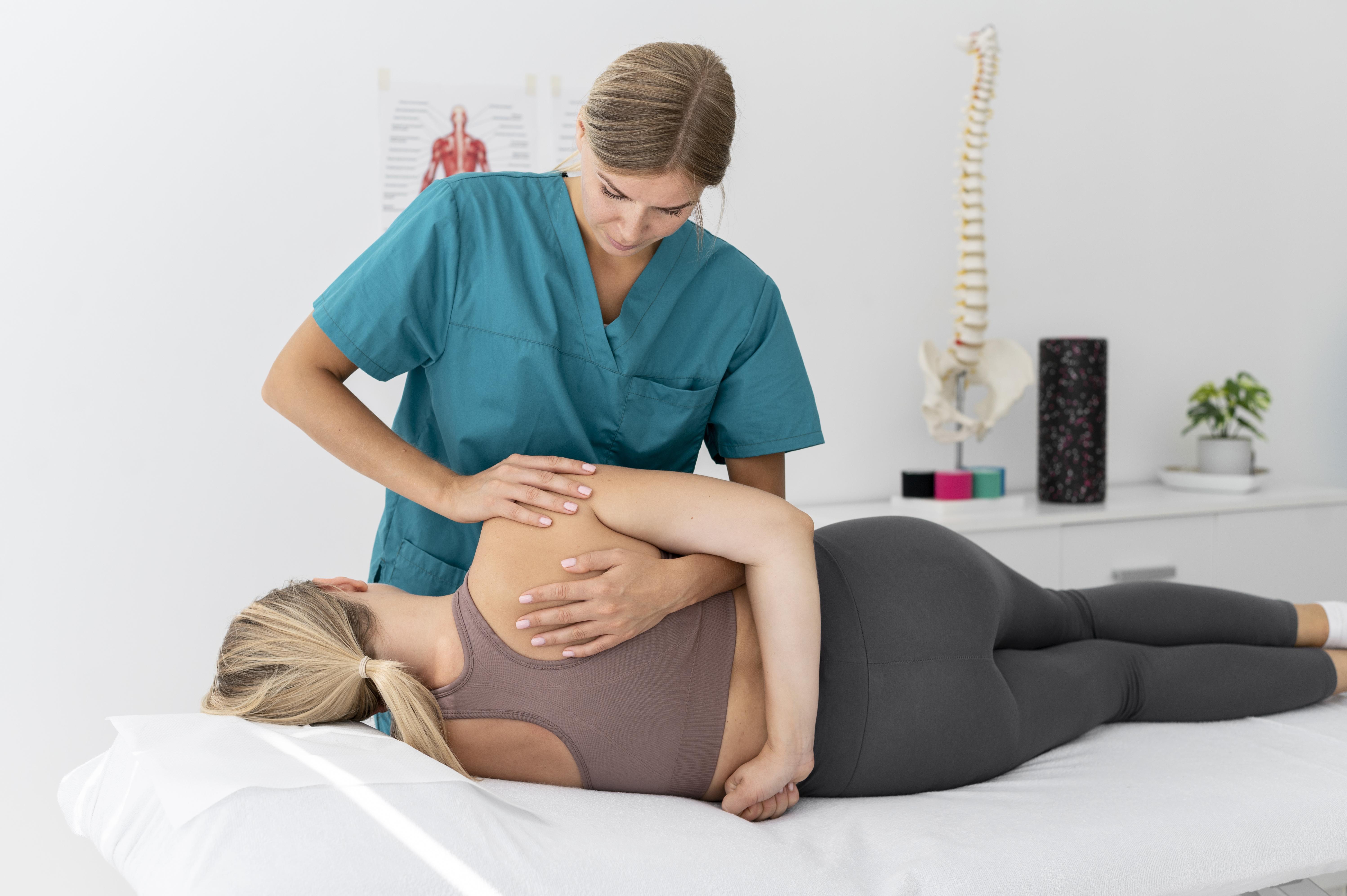
Neck pain is extremely common, often caused by poor posture, stress, or muscle tension. These simple exercises and stretches can provide significant relief and help prevent future problems.
Common causes of neck pain
- Poor posture: Especially from computer work or phone use
- Muscle tension: Often stress-related
- Sleeping position: Wrong pillow or awkward position
- Prolonged positions: Holding neck in one position too long
- Whiplash: From car accidents or falls
- Arthritis: Age-related wear and tear
- Nerve irritation: Trapped nerve causing arm symptoms
When to exercise
Exercise is safe for most neck pain. You should exercise if:
- Pain is mild to moderate
- You can move your neck
- Pain is improving or stable
- No red flag symptoms
Red flags: When to see a doctor
Seek medical advice if you have:
- Severe pain after trauma
- Weakness in arms or legs
- Loss of coordination or balance
- Difficulty swallowing or breathing
- Fever with neck pain and stiffness
- Severe headache with neck pain
- Pain radiating down both arms
Gentle neck mobility exercises
1. Neck rotation
Purpose: Improve turning ability
How to do it:
- Sit or stand with good posture
- Look straight ahead
- Slowly turn head to look over right shoulder
- Hold 5 seconds
- Return to center
- Repeat to left
- Do 10 times each side
2. Neck flexion and extension
Purpose: Improve nodding movement
How to do it:
- Sit with good posture
- Gently tuck chin down towards chest
- Hold 5 seconds
- Return to neutral
- Gently tilt head back, looking up
- Hold 5 seconds
- Repeat 10 times
3. Lateral flexion (ear to shoulder)
Purpose: Improve side bending
How to do it:
- Sit with good posture
- Tilt head, bringing right ear towards right shoulder
- Keep shoulders down and relaxed
- Hold 5 seconds
- Return to center
- Repeat to left
- Do 10 times each side
4. Chin tucks
Purpose: Improve posture and reduce forward head position
How to do it:
- Sit or stand with good posture
- Look straight ahead
- Gently draw chin back (like making a double chin)
- Do not tilt head down
- Hold 5 seconds
- Relax
- Repeat 10 times
Neck stretches
5. Upper trapezius stretch
Purpose: Stretch tight neck and shoulder muscles
How to do it:
- Sit with good posture
- Tilt head to right, ear towards shoulder
- Place right hand gently on left side of head
- Add gentle pressure to increase stretch
- Hold 30 seconds
- Repeat 3 times each side
6. Levator scapulae stretch
Purpose: Stretch muscle connecting neck to shoulder blade
How to do it:
- Sit with good posture
- Turn head 45 degrees to right
- Tilt head down, nose towards armpit
- Place right hand on back of head
- Add gentle pressure
- Hold 30 seconds
- Repeat 3 times each side
7. Scalene stretch
Purpose: Stretch front neck muscles
How to do it:
- Sit with good posture
- Place right hand on collarbone
- Tilt head back and to the left
- Hold 30 seconds
- Repeat 3 times each side
Strengthening exercises
8. Isometric neck flexion
Purpose: Strengthen front neck muscles
How to do it:
- Sit with good posture
- Place hand on forehead
- Push head forward into hand
- Hand resists — no movement
- Hold 5 seconds
- Relax
- Repeat 10 times
9. Isometric neck extension
Purpose: Strengthen back neck muscles
How to do it:
- Sit with good posture
- Place hands on back of head
- Push head back into hands
- Hands resist — no movement
- Hold 5 seconds
- Repeat 10 times
10. Isometric lateral flexion
Purpose: Strengthen side neck muscles
How to do it:
- Sit with good posture
- Place right hand on right side of head
- Push head into hand
- Hand resists — no movement
- Hold 5 seconds
- Repeat 10 times each side
Shoulder and upper back exercises
Neck pain often involves shoulder and upper back muscles.
11. Shoulder blade squeezes
Purpose: Strengthen upper back, improve posture
How to do it:
- Sit or stand with good posture
- Squeeze shoulder blades together
- Hold 5 seconds
- Relax
- Repeat 10 times
12. Shoulder rolls
Purpose: Release shoulder tension
How to do it:
- Sit or stand with good posture
- Roll shoulders backwards in circular motion
- 10 times backwards
- 10 times forwards
Sample daily routine
Morning routine (5-10 minutes)
Focus: Mobility and gentle stretching
- Neck rotation: 10 each side
- Neck flexion/extension: 10 reps
- Lateral flexion: 10 each side
- Chin tucks: 10 reps
- Upper trapezius stretch: 3 each side
Midday routine (5 minutes)
Especially important if desk-based work
- Chin tucks: 10 reps
- Shoulder blade squeezes: 10 reps
- Shoulder rolls: 10 each direction
- Upper trapezius stretch: 2 each side
Evening routine (10 minutes)
Focus: Strengthening and deeper stretching
- Isometric exercises: 10 reps each direction
- Levator scapulae stretch: 3 each side
- Scalene stretch: 3 each side
- Shoulder blade squeezes: 10 reps
Posture correction
Poor posture is a major cause of neck pain.
Sitting posture
- Sit back in chair with lumbar support
- Feet flat on floor
- Screen at eye level
- Elbows at 90 degrees
- Shoulders relaxed
- Chin tucked slightly
Standing posture
- Stand tall, shoulders back
- Weight evenly on both feet
- Chin level
- Avoid slouching
Phone and tablet use
- Hold device at eye level
- Avoid looking down for prolonged periods
- Take regular breaks
- Use a stand for tablets
Sleeping position
Best sleeping positions for neck
- On back: One pillow supporting natural neck curve
- On side: Pillow filling gap between ear and mattress
- Avoid: Sleeping on stomach (twists neck)
Choosing the right pillow
- Should support natural neck curve
- Not too high or too flat
- Replace every 1-2 years
- Memory foam or contoured pillows often helpful
Heat and cold therapy
Heat therapy
Best for: Muscle tension and stiffness
- Warm shower directed at neck
- Heat pack (15-20 minutes)
- Warm towel
- Use before exercise
Cold therapy
Best for: Acute pain or inflammation
- Ice pack wrapped in towel (15 minutes)
- Use after exercise if sore
- Do not apply directly to skin
Stress management
Stress causes muscle tension, particularly in neck and shoulders.
Relaxation techniques
- Deep breathing exercises
- Progressive muscle relaxation
- Meditation or mindfulness
- Gentle yoga
- Regular breaks during work
Ergonomic workspace setup
- Monitor: Top of screen at eye level, arm's length away
- Chair: Adjustable with lumbar support
- Keyboard: Elbows at 90 degrees
- Mouse: Close to keyboard, wrist neutral
- Lighting: Reduce glare on screen
- Breaks: Every 30 minutes, move and stretch
When to seek professional help
Consider specialist neck pain physiotherapy if:
- Pain not improving after 2 weeks of self-management
- Pain is severe or worsening
- Arm pain, numbness, or tingling
- Headaches with neck pain
- Recurring neck pain episodes
- Need personalized assessment
- Want hands-on treatment
Common mistakes to avoid
- Forcing movements: Be gentle, especially initially
- Holding breath: Breathe normally during exercises
- Ignoring posture: Exercise alone is not enough
- Inconsistency: Regular exercise is key
- Continuing activities that aggravate: Modify or avoid
- Poor workstation setup: Ergonomics matter
Preventing neck pain recurrence
- Continue exercises long-term
- Maintain good posture
- Take regular breaks from static positions
- Manage stress effectively
- Ensure good sleeping position
- Stay generally active
- Address problems early
The bottom line
Neck pain relief requires a multi-faceted approach:
- Daily mobility and strengthening exercises
- Regular stretching, especially if desk-based work
- Posture correction
- Ergonomic workspace setup
- Appropriate pillow and sleeping position
- Stress management
- Regular breaks from static positions
Most neck pain improves significantly with consistent self-management. The key is making these strategies part of your daily routine.
Need expert help with neck pain?
Our physiotherapy service provides personalized neck pain programmes, postural assessment, and hands-on treatment delivered in your home. We help you identify the cause of your pain and develop an effective management strategy.

About Lizzie Thornton
Lizzie Thornton is a specialist community physiotherapist with over 15 years of experience treating neck and back pain. She is HCPC registered and a member of the Chartered Society of Physiotherapy. Lizzie provides home physiotherapy visits across Staffordshire Moorlands and Cheshire East, helping people recover from neck pain and prevent recurrence.