Chronic Back Pain Management: Long-Term Strategies That Work
Published
Local Physiotherapist - Lizzie Thornton, Staffordshire Moorlands & Cheshire East
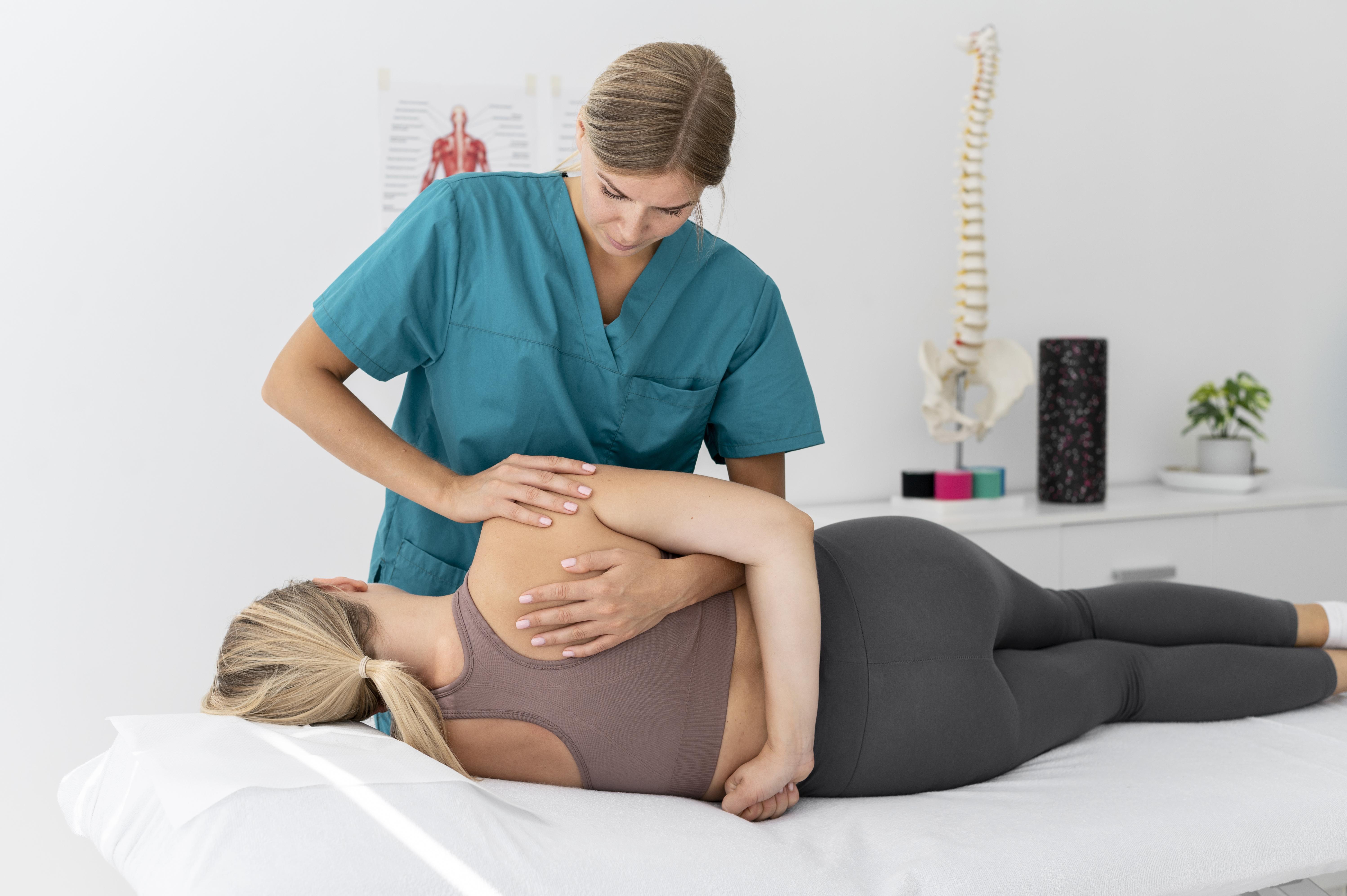
Chronic back pain lasting more than three months affects millions and requires a different approach than acute pain. This guide provides evidence-based strategies for managing chronic back pain and maintaining quality of life long-term.
Understanding chronic back pain
Chronic back pain differs from acute pain in important ways:
- Duration: Lasts more than 3 months
- Cause: Often no clear structural problem
- Pain system: Nervous system becomes sensitized
- Impact: Affects physical, emotional, and social wellbeing
- Management: Requires multifaceted approach
Why chronic pain persists
Chronic pain is not just about tissue damage. It involves:
- Sensitization of nervous system
- Changes in brain pain processing
- Muscle deconditioning from reduced activity
- Fear and anxiety about movement
- Psychological factors (stress, low mood)
- Sleep disturbance
- Social isolation
The biopsychosocial model
Effective chronic pain management addresses biological, psychological, and social factors.
Biological factors
- Physical fitness and strength
- Sleep quality
- General health conditions
- Medication management
Psychological factors
- Pain beliefs and understanding
- Fear of movement
- Mood (depression, anxiety)
- Stress levels
- Coping strategies
Social factors
- Work situation
- Family and social support
- Financial concerns
- Social activities and hobbies
Exercise: The cornerstone of management
Exercise is the most effective treatment for chronic back pain.
Why exercise helps
- Reduces pain sensitivity
- Strengthens muscles
- Improves flexibility
- Boosts mood (releases endorphins)
- Builds confidence
- Improves sleep
- Reduces fear of movement
Types of exercise
- Aerobic exercise: Walking, swimming, cycling (20-30 minutes most days)
- Strengthening: Core and back exercises (2-3 times weekly)
- Flexibility: Stretching and yoga (daily)
- Functional activities: Everyday movements
Exercise principles for chronic pain
- Start at comfortable level
- Increase gradually (pacing)
- Expect some discomfort — this is safe
- Consistency matters more than intensity
- Choose activities you enjoy
- Make it a lifelong habit
Pacing strategies
Pacing helps you stay active without boom-bust cycles.
The boom-bust cycle
Many people with chronic pain fall into this pattern:
- Good day — do lots of activity
- Pain flares up
- Rest for several days
- Feel better, do lots again
- Cycle repeats
Better pacing approach
- Do similar amount each day
- Take regular breaks before pain increases
- Gradually increase activity over weeks
- Plan your week
- Balance activity with rest
- Avoid overdoing on good days
Practical pacing tips
- Set timers for breaks
- Alternate sitting and standing
- Break tasks into smaller chunks
- Spread demanding tasks across week
- Build in rest periods
Pain management techniques
Medication
Medication has a role but is not the whole solution:
- Paracetamol: Regular doses for baseline pain
- NSAIDs: Short-term use only
- Neuropathic pain medication: Amitriptyline, gabapentin
- Avoid: Long-term opioids (not effective for chronic pain)
Heat and cold
- Heat for muscle tension and stiffness
- Cold for acute flare-ups
- Use whichever helps you most
- Safe for long-term use
Relaxation techniques
- Deep breathing exercises
- Progressive muscle relaxation
- Mindfulness meditation
- Guided imagery
- Yoga or tai chi
Distraction
- Engaging in enjoyable activities
- Social interaction
- Hobbies and interests
- Music or audiobooks
Managing flare-ups
Flare-ups are normal with chronic pain. Having a plan helps.
Flare-up action plan
- Stay calm: Flare-ups are temporary
- Continue gentle movement: Do not stop completely
- Use pain relief: Heat, cold, medication
- Reduce activity temporarily: But maintain some
- Practice relaxation: Reduce stress response
- Return to normal gradually: As pain settles
What not to do
- Panic or catastrophize
- Complete bed rest
- Stop all activity
- Increase medication excessively
- Assume something is seriously wrong
Sleep management
Poor sleep worsens pain; pain disrupts sleep. Breaking this cycle is crucial.
Sleep hygiene strategies
- Regular sleep schedule (same time each night)
- Comfortable mattress and pillows
- Cool, dark, quiet bedroom
- Avoid screens 1 hour before bed
- No caffeine after 2pm
- Relaxation routine before bed
- Get up if cannot sleep after 20 minutes
Sleeping positions
- On side: Pillow between knees
- On back: Pillow under knees
- Avoid: Stomach sleeping
Psychological strategies
Understanding pain
Education about pain helps reduce fear and improve coping:
- Pain does not always mean damage
- Movement is safe and helpful
- Pain can be influenced by many factors
- You can learn to manage pain
Challenging unhelpful thoughts
Common unhelpful thoughts and alternatives:
Thought: "I cannot do anything because of my back"
Challenge: "I can do some things. I will start small and build up"
Thought: "The pain means I am damaging my back"
Challenge: "Pain does not equal damage. Movement is safe and helps"
Thought: "I will never get better"
Challenge: "I can learn to manage this and improve my quality of life"
Goal setting
- Set realistic, achievable goals
- Focus on function, not just pain
- Break large goals into small steps
- Celebrate progress
- Adjust goals as needed
Staying active and social
Isolation worsens chronic pain. Staying connected is vital.
Social strategies
- Maintain friendships and family contact
- Join groups or classes
- Volunteer if able
- Online communities for support
- Explain your condition to others
Meaningful activities
- Continue hobbies (adapted if needed)
- Learn new skills
- Set personal challenges
- Focus on what you can do
Work and chronic back pain
Staying at work
- Communicate with employer
- Request workplace adjustments
- Take regular breaks
- Vary tasks throughout day
- Consider phased return if off work
Workplace adjustments
- Ergonomic workstation setup
- Sit-stand desk
- Flexible working hours
- Modified duties temporarily
- Working from home options
When to seek professional help
Consider specialist chronic back pain physiotherapy if:
- Struggling to manage pain alone
- Need structured exercise programme
- Want hands-on treatment
- Require pacing guidance
- Need help with goal setting
- Benefit from regular support
Other professionals
- Pain clinic: For complex pain management
- Psychology: For CBT or ACT therapy
- Occupational therapy: For work and daily activities
- GP: For medication review
Realistic expectations
What is achievable
- Reduced pain levels
- Improved function
- Better quality of life
- Increased confidence
- Return to valued activities
- Reduced impact of pain
What may not be achievable
- Complete pain elimination
- Return to exactly how you were before
- Quick fixes
- Cure (for most chronic pain)
Long-term self-management
Chronic pain requires ongoing self-management:
- Continue exercise indefinitely
- Maintain pacing strategies
- Practice stress management
- Prioritize sleep
- Stay socially connected
- Address flare-ups promptly
- Review and adjust strategies
The bottom line
Managing chronic back pain effectively involves:
- Regular exercise (aerobic, strengthening, flexibility)
- Pacing activities to avoid boom-bust cycles
- Using multiple pain management techniques
- Maintaining good sleep habits
- Challenging unhelpful thoughts
- Staying active and socially connected
- Setting realistic goals
- Seeking professional support when needed
While chronic back pain is challenging, most people can significantly improve their quality of life with the right strategies and support. The key is taking an active role in your management and being patient with progress.
Need support managing chronic back pain?
Our physiotherapy service provides comprehensive chronic pain management including exercise programmes, pacing strategies, and ongoing support. We help you develop effective self-management skills and improve your quality of life.

About Lizzie Thornton
Lizzie Thornton is a specialist community physiotherapist with over 15 years of experience managing chronic pain conditions. She is HCPC registered and a member of the Chartered Society of Physiotherapy. Lizzie provides home physiotherapy visits across Staffordshire Moorlands and Cheshire East, helping people develop effective long-term pain management strategies.