Care Home Physiotherapy: Benefits for Residents
Published
Local Physiotherapist - Lizzie Thornton, Staffordshire Moorlands & Cheshire East
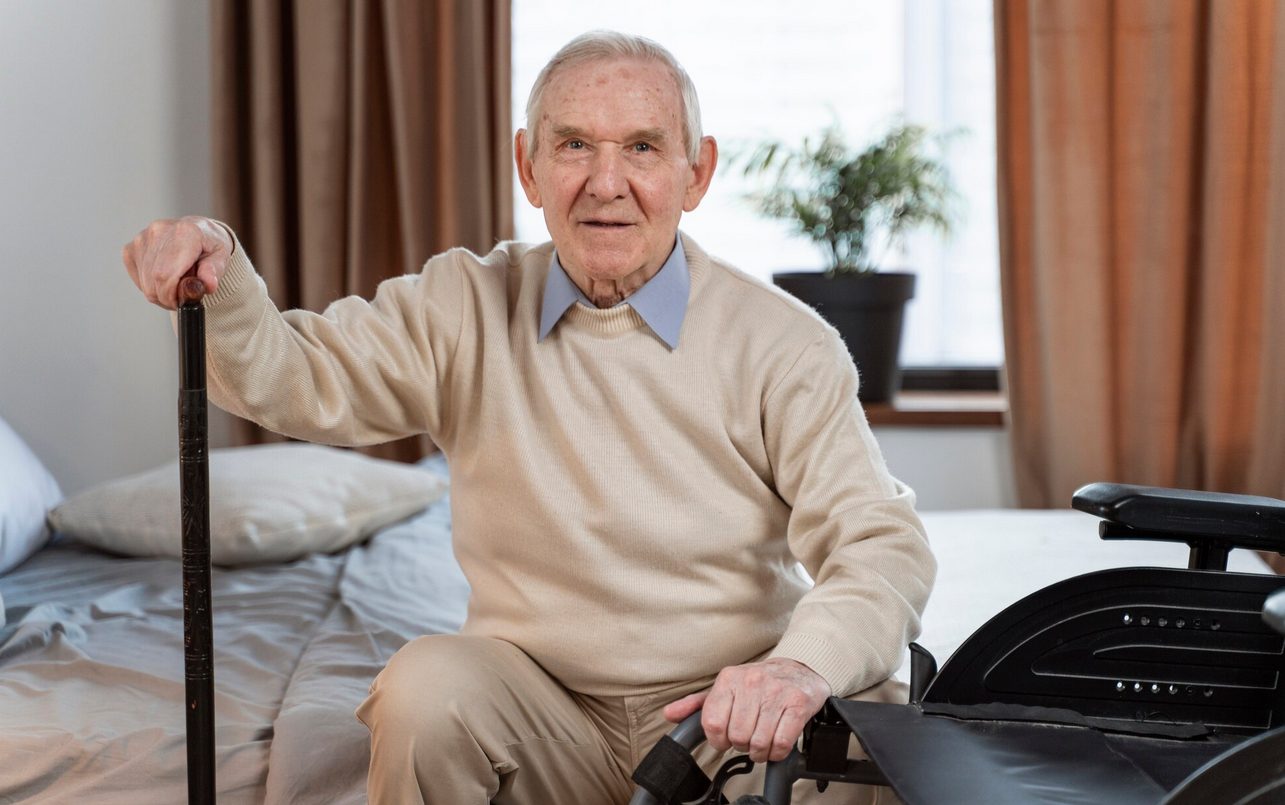
Physiotherapy plays a vital role in maintaining and improving quality of life for care home residents. This comprehensive guide explains how physiotherapy benefits residents and what to expect from care home physiotherapy services.
Why physiotherapy in care homes matters
Common challenges for residents
- Reduced mobility
- Muscle weakness and deconditioning
- Balance problems and falls
- Chronic pain
- Post-stroke effects
- Dementia-related mobility issues
- Multiple health conditions
- Loss of independence
Benefits of physiotherapy
- Maintains and improves mobility
- Reduces fall risk
- Manages pain
- Preserves independence
- Improves quality of life
- Reduces hospital admissions
- Supports dignity and wellbeing
- Enhances social participation
What physiotherapy offers
Assessment and evaluation
- Comprehensive mobility assessment
- Fall risk evaluation
- Pain assessment
- Functional ability review
- Equipment needs assessment
- Goal setting with resident
Treatment approaches
- Exercise programmes
- Mobility training
- Balance exercises
- Pain management
- Chest physiotherapy
- Post-fall rehabilitation
- Equipment provision and training
Specific interventions
Mobility training
- Walking practice
- Transfer training (bed, chair, toilet)
- Stair practice if applicable
- Using walking aids correctly
- Building confidence
- Maintaining independence
Strengthening exercises
- Leg strengthening for mobility
- Arm strengthening for function
- Core stability
- Seated exercises
- Resistance band work
- Functional exercises
Balance training
- Static balance exercises
- Dynamic balance work
- Fall prevention strategies
- Confidence building
- Environmental modifications
Pain management
- Manual therapy techniques
- Exercise for pain relief
- Positioning advice
- Heat/cold therapy
- Education and self-management
Respiratory care
- Breathing exercises
- Chest clearance techniques
- Positioning for breathing
- Managing breathlessness
- Post-infection recovery
Who benefits from physiotherapy
Post-hospital discharge
- Continuing rehabilitation
- Preventing deconditioning
- Regaining function
- Building confidence
- Reducing readmission risk
After a fall
- Restoring confidence
- Addressing weakness
- Improving balance
- Preventing future falls
- Equipment assessment
Chronic conditions
- Arthritis management
- Parkinson's disease
- Stroke recovery
- Heart failure
- COPD
- Dementia-related mobility
General deconditioning
- Maintaining mobility
- Preventing further decline
- Improving strength
- Enhancing quality of life
Physiotherapy for dementia residents
Adapted approaches
- Simple, clear instructions
- Familiar movements
- Routine and repetition
- Music and rhythm
- Visual cues
- Patience and encouragement
Benefits
- Maintains physical function
- Reduces agitation
- Improves sleep
- Enhances mood
- Provides structure
- Social interaction
Group exercise classes
Seated exercise groups
- Safe for most residents
- Social activity
- Fun and engaging
- Improves strength and flexibility
- Boosts mood
- Regular routine
Standing exercise groups
- For more able residents
- Balance and strength focus
- Fall prevention
- Peer support
- Motivation
Walking groups
- Maintains mobility
- Social interaction
- Fresh air and stimulation
- Builds confidence
- Supervised safety
Individual treatment
One-to-one sessions
- Personalized assessment
- Specific goal setting
- Targeted interventions
- Progress monitoring
- Addressing individual needs
When individual treatment needed
- Post-surgery rehabilitation
- After stroke
- Specific pain problems
- Complex needs
- Unable to participate in groups
- Rapid decline
Equipment and aids
Assessment and provision
- Walking aids (frames, sticks)
- Wheelchairs
- Pressure cushions
- Positioning equipment
- Exercise equipment
- Adaptive devices
Training and education
- Correct use of aids
- Staff training
- Resident education
- Family involvement
- Safety considerations
Working with care staff
Collaboration
- Sharing expertise
- Training care staff
- Consistent approach
- Handover of exercises
- Monitoring progress
- Problem-solving together
Staff education
- Moving and handling
- Fall prevention
- Encouraging mobility
- Exercise supervision
- Recognizing deterioration
Family involvement
Keeping families informed
- Progress updates
- Goal discussions
- Realistic expectations
- How they can help
- Answering questions
Family participation
- Encouraging during visits
- Practicing exercises together
- Walking with resident
- Supporting goals
- Celebrating progress
Measuring outcomes
Tracking progress
- Mobility assessments
- Balance tests
- Functional measures
- Pain scores
- Quality of life indicators
- Fall rates
Goal achievement
- Specific, measurable goals
- Regular review
- Celebrating successes
- Adjusting as needed
- Realistic expectations
Challenges and solutions
Common challenges
- Resident reluctance
- Cognitive impairment
- Multiple health issues
- Fatigue
- Pain
- Lack of motivation
Strategies
- Building rapport
- Finding meaningful activities
- Adapting approach
- Short, frequent sessions
- Making it enjoyable
- Involving family
- Celebrating small wins
The role of physiotherapy
Care Home & Assisted Living Rehabilitation provides:
- Comprehensive resident assessment
- Individual treatment programmes
- Group exercise classes
- Staff training and support
- Equipment provision and advice
- Fall prevention strategies
- Quality of life enhancement
The bottom line
Effective care home physiotherapy requires:
- Person-centered approach
- Collaboration with care team
- Family involvement
- Regular assessment and review
- Adapted interventions
- Focus on quality of life
- Realistic goal setting
- Celebrating achievements
Physiotherapy can significantly improve quality of life for care home residents. Through personalized treatment, group activities, and collaboration with care staff, residents can maintain mobility, independence, and dignity.
Physiotherapy for your care home?
Our Care Home & Assisted Living Rehabilitation service provides comprehensive physiotherapy for care home residents. We work with residents, families, and care staff to maximize mobility, independence, and quality of life.
Get in touch Learn about Care Home & Assisted Living Rehabilitation

About Lizzie Thornton
Lizzie Thornton is a specialist community physiotherapist with over 15 years of experience working in care homes and assisted living facilities. She is HCPC registered and a member of the Chartered Society of Physiotherapy. Lizzie provides physiotherapy services across Staffordshire Moorlands and Cheshire East.