Assisted Living Exercise Programmes for Seniors
Published
Local Physiotherapist - Lizzie Thornton, Staffordshire Moorlands & Cheshire East
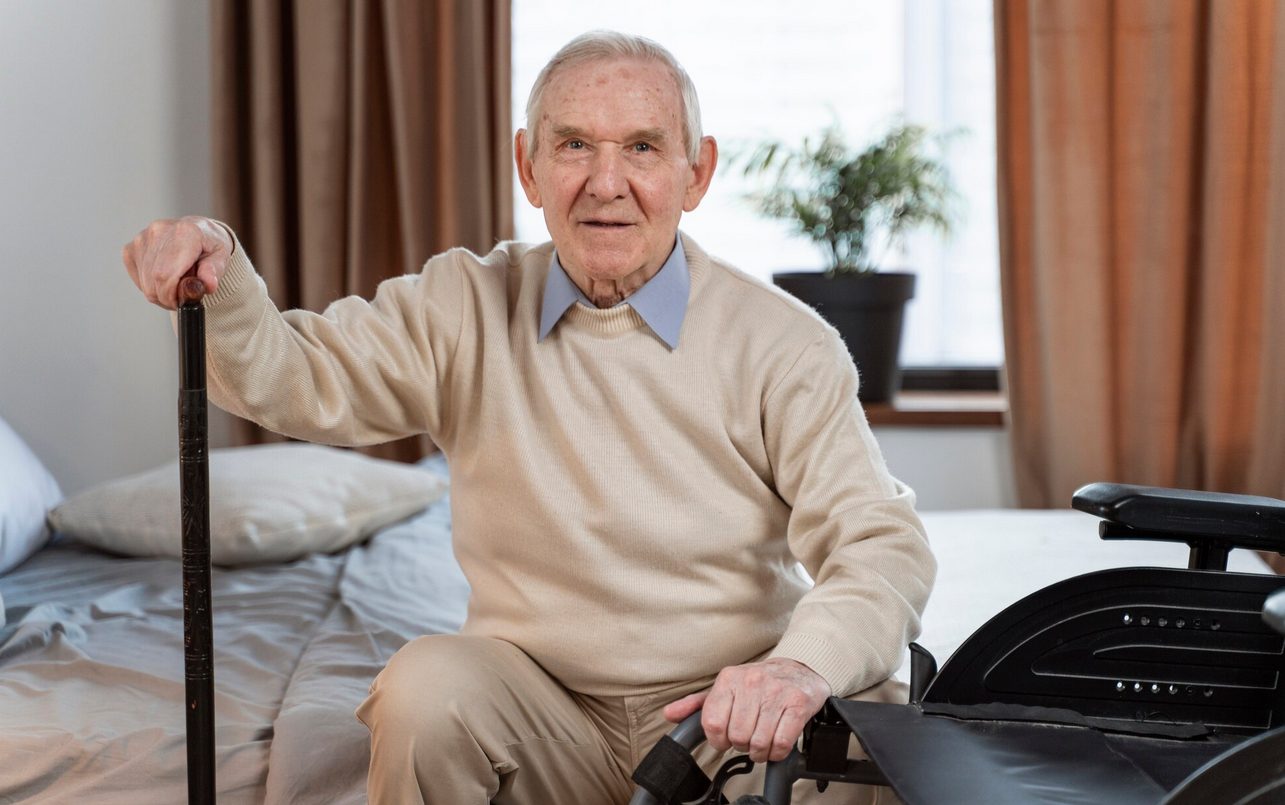
Exercise is crucial for maintaining independence and quality of life in assisted living. This comprehensive guide covers effective exercise programmes, activities, and strategies to keep residents active, healthy, and engaged.
Why exercise matters in assisted living
Benefits for residents
- Maintains independence
- Prevents functional decline
- Reduces fall risk
- Improves mood and mental health
- Enhances social connection
- Better sleep quality
- Manages chronic conditions
- Improves quality of life
- Maintains dignity
Challenges in assisted living
- Multiple health conditions
- Varying ability levels
- Cognitive impairment
- Motivation issues
- Fear of falling
- Pain and discomfort
- Limited space
- Staffing constraints
Types of exercise programmes
Seated exercise classes
Best for: All ability levels, safe and accessible
- Upper body strengthening
- Seated marching
- Arm circles and stretches
- Trunk rotation
- Ankle movements
- 20-30 minutes
- 2-3 times weekly
Standing exercise classes
Best for: More mobile residents
- Balance exercises
- Leg strengthening
- Walking practice
- Functional movements
- Chair support available
- 30-40 minutes
- 2-3 times weekly
Walking groups
Best for: Mobile residents, social activity
- Indoor or outdoor
- Varied pace
- Social interaction
- Fresh air and stimulation
- Supervised for safety
- 15-30 minutes
- Daily if possible
Tai Chi or gentle yoga
Best for: Balance, flexibility, mindfulness
- Slow, controlled movements
- Improves balance
- Enhances flexibility
- Reduces stress
- Can be seated or standing
- 30-45 minutes
- 1-2 times weekly
Dance or movement to music
Best for: Enjoyment, cognitive stimulation
- Fun and engaging
- Familiar music
- Seated or standing
- Social activity
- Good for dementia
- 30-45 minutes
- 1-2 times weekly
Sample weekly schedule
Comprehensive programme
- Monday: Seated exercise class (30 mins)
- Tuesday: Walking group (20 mins)
- Wednesday: Standing exercise class (30 mins)
- Thursday: Tai Chi (30 mins)
- Friday: Seated exercise class (30 mins)
- Saturday: Dance to music (30 mins)
- Sunday: Gentle walking (15 mins)
Seated exercise programme
Warm-up (5 minutes)
- Shoulder rolls
- Neck movements
- Ankle circles
- Gentle marching
- Deep breathing
Main exercises (20 minutes)
- Seated marching: 30 reps
- Arm raises: 10 reps
- Bicep curls: 10 reps
- Seated twist: 10 each side
- Knee extensions: 10 each leg
- Ankle pumps: 20 reps
- Side bends: 10 each side
- Shoulder press: 10 reps
Cool-down (5 minutes)
- Gentle stretches
- Deep breathing
- Relaxation
Standing exercise programme
Warm-up (5 minutes)
- Marching on spot
- Arm swings
- Gentle squats
- Side steps
Main exercises (25 minutes)
- Mini squats: 10 reps
- Heel raises: 10 reps
- Hip abduction: 10 each leg
- Single leg stands: 10 secs each
- Tandem standing: 20 secs
- Side steps: 10 each way
- Marching: 30 reps
- Wall press-ups: 10 reps
Cool-down (10 minutes)
- Gentle walking
- Stretches
- Balance practice
- Breathing exercises
Adapting for different abilities
High functioning residents
- More challenging exercises
- Longer duration
- Less support
- Faster pace
- Additional resistance
- Outdoor activities
Moderate ability
- Mix of seated and standing
- Chair support available
- Moderate intensity
- Regular breaks
- Appropriate duration
Lower ability
- Primarily seated
- Gentle movements
- Short duration
- Frequent rest
- Individual attention
- Adapted exercises
Dementia-friendly adaptations
- Simple, familiar movements
- Clear, repeated instructions
- Visual demonstrations
- Music and rhythm
- Routine and consistency
- Patience and encouragement
- Short sessions
Making exercise engaging
Use music
- Familiar songs
- Appropriate tempo
- Encourages participation
- Improves mood
- Aids memory
Social elements
- Group activities
- Partner exercises
- Friendly competition
- Shared achievements
- Tea and chat after
Variety
- Different activities
- Varied music
- Seasonal themes
- Special events
- Guest instructors
Meaningful activities
- Gardening (if possible)
- Dancing
- Games with movement
- Functional tasks
- Activities with purpose
Safety considerations
Environment
- Adequate space
- Non-slip flooring
- Good lighting
- Chairs for support
- Clear of obstacles
- Emergency equipment accessible
Supervision
- Qualified instructor
- Adequate staff ratio
- Individual monitoring
- Emergency procedures
- First aid trained staff
Medical considerations
- Review health conditions
- Medication timing
- Blood pressure monitoring
- Diabetes management
- Cardiac precautions
- Pain management
Encouraging participation
Overcoming reluctance
- Gentle encouragement
- Explain benefits
- Start with observation
- Buddy system
- Make it fun
- Celebrate participation
- Respect choice
Building motivation
- Set achievable goals
- Track progress
- Provide feedback
- Recognize achievements
- Create routine
- Social rewards
Individual exercise programmes
When needed
- Specific rehabilitation needs
- Unable to join groups
- Post-fall recovery
- After illness
- Specific goals
- Complex needs
Components
- Personalized assessment
- Specific exercises
- Progressive programme
- Regular review
- Staff training for continuation
Staff involvement
Training needs
- Exercise instruction
- Safety awareness
- Motivation techniques
- Adapting exercises
- Recognizing problems
- Emergency procedures
Daily encouragement
- Promoting activity
- Encouraging walking
- Supporting independence
- Positive reinforcement
- Role modeling
Family involvement
Keeping families informed
- Programme information
- Progress updates
- Participation levels
- Achievements
- How they can help
Family participation
- Join exercise sessions
- Walking together
- Encouragement
- Celebrating progress
- Supporting goals
Measuring success
Outcomes to track
- Participation rates
- Functional improvements
- Fall rates
- Mood and wellbeing
- Social engagement
- Quality of life
- Independence levels
The role of physiotherapy
Care Home & Assisted Living Rehabilitation provides:
- Programme design and implementation
- Staff training and support
- Individual assessments
- Specialized interventions
- Progress monitoring
- Quality assurance
- Evidence-based practice
The bottom line
Successful exercise programmes in assisted living require:
- Variety of activities
- Appropriate for all abilities
- Regular schedule
- Qualified instruction
- Safe environment
- Engaging and enjoyable
- Staff and family support
- Individual and group options
Exercise programmes are essential for maintaining quality of life in assisted living. With proper planning, qualified instruction, and enthusiastic support, residents can remain active, independent, and engaged.
Exercise programmes for your facility?
Our Care Home & Assisted Living Rehabilitation service provides comprehensive exercise programmes tailored to your residents' needs. We design, implement, and support programmes that enhance quality of life and independence.
Get in touch Learn about Care Home & Assisted Living Rehabilitation

About Lizzie Thornton
Lizzie Thornton is a specialist community physiotherapist with over 15 years of experience in assisted living and care home settings. She is HCPC registered and a member of the Chartered Society of Physiotherapy. Lizzie provides physiotherapy services across Staffordshire Moorlands and Cheshire East.